Understanding HVAC: Essential Tips for Efficient Cooling in Florida’s Heat
Living in the Sunshine State is a dream for many, but Floridians know the reality: our beautiful sunshine comes with relentless heat and stifling humidity. In this climate, your home's Heating, Ventilation, and Air Conditioning (HVAC) system isn't a luxury; it's the heart of your home's comfort and livability. A struggling or inefficient AC unit doesn't just mean a sweaty afternoon—it means high energy bills, poor air quality, and potential system breakdowns when you need it most. Here at Envirotec, we believe that understanding your HVAC system is the first step toward mastering your home's comfort. This comprehensive guide will walk you through everything you need to know to keep your Florida home cool, comfortable, and energy-efficient all year long.
The Unique Challenge: Why Cooling a Florida Home is Different
Cooling a home in Florida presents a unique set of challenges compared to other parts of the country. It's not just about lowering the temperature; it's about battling a combination of factors that put immense strain on any HVAC system.
- The Long Cooling Season: Unlike regions with four distinct seasons, Florida's 'cooling season' can feel like it lasts for 8-10 months. This near-constant operation means more wear and tear on your AC components.
- Intense Humidity: Florida's tropical humidity is the real comfort killer. Humid air feels warmer than dry air at the same temperature. Your AC has to work double-duty, not only cooling the air but also removing gallons of moisture from it every single day. This process, called dehumidification, is one of the most energy-intensive jobs your system performs.
- High Solar Gain: The powerful Florida sun beats down on your roof, windows, and walls, transferring a significant amount of heat into your home. This constant thermal pressure means your AC has to work harder to maintain a cool indoor temperature.
Understanding these local challenges is key to choosing the right system and implementing the right strategies for efficient cooling.
A Homeowner's Guide to Your HVAC System
To effectively manage your home's cooling, it helps to know the key players. Your split-system air conditioner, the most common type in Florida homes, is a team of components working in perfect harmony.
The Key Components
- Thermostat: The brain of the operation. It reads the indoor temperature and tells the system when to turn on and off.
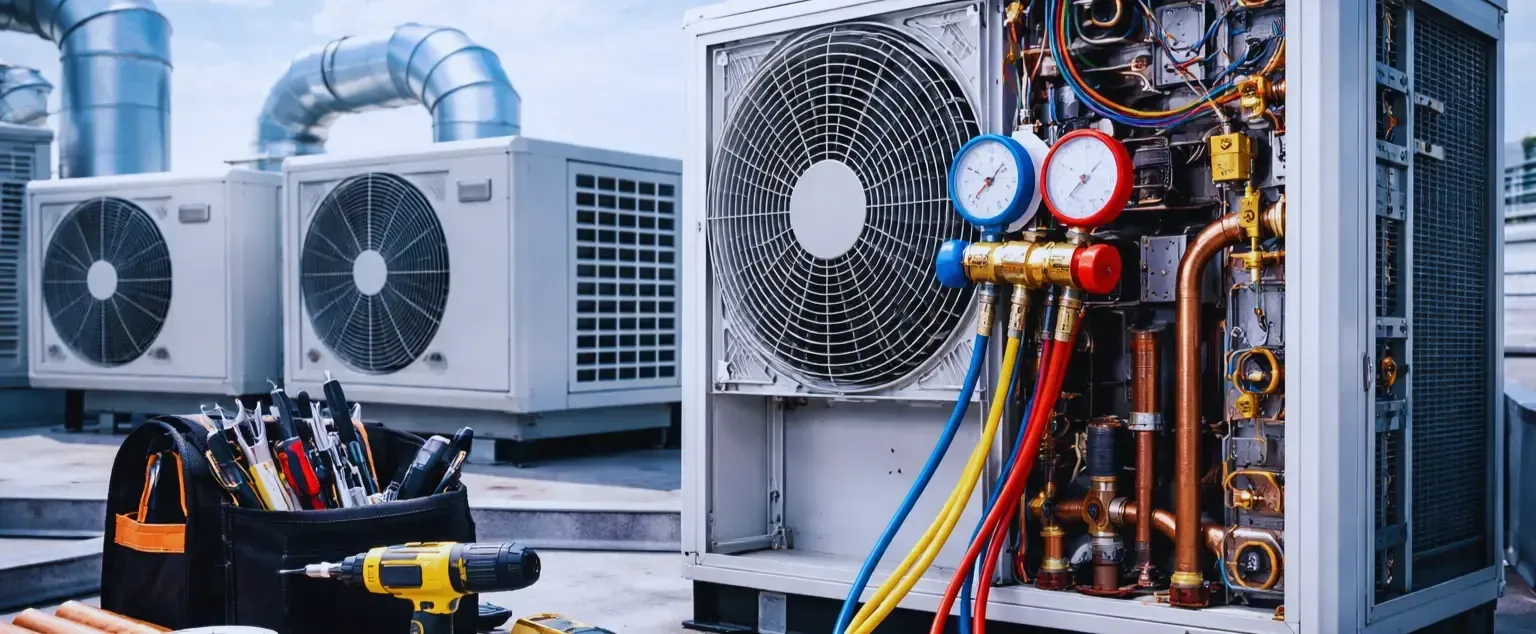
- Compressor (in the outdoor unit): The heart of the system. It pressurizes the refrigerant, a special fluid that absorbs and releases heat.
- Condenser Coil (in the outdoor unit): As the hot, pressurized refrigerant flows through these coils, a large fan blows air across them, releasing the collected heat into the outside air.
- Evaporator Coil (in the indoor unit): The cold, low-pressure refrigerant flows into the indoor evaporator coil. Your home's warm air is blown across these frigid coils, which absorbs the heat and moisture from the air, cooling it down.
- Air Handler/Blower (in the indoor unit): This powerful fan circulates air from your home through the return vents, across the evaporator coil to be cooled, and then pushes the newly chilled air back into your rooms through the supply vents.
The Cooling Cycle Explained
Think of your AC as a heat taxi. The refrigerant picks up heat from inside your house (at the evaporator coil) and drops it off outside your house (at the condenser coil). This continuous cycle is what keeps your home cool and comfortable, even on the most scorching Florida day.
Decoding SEER Ratings: Your Efficiency Scorecard
When you're shopping for a new HVAC system, you'll see the term 'SEER' everywhere. SEER stands for Seasonal Energy Efficiency Ratio. In simple terms, it's like the 'miles per gallon' (MPG) rating for your air conditioner. The higher the SEER rating, the more energy-efficient the unit is, meaning it uses less electricity to produce the same amount of cooling. In a state like Florida where your AC runs constantly, a high SEER rating isn't just a feature—it's a critical investment that can save you thousands of dollars over the life of the unit.
The federal minimum SEER rating for new units in the southern U.S. is 15. However, investing in a higher-SEER unit often provides a significant return on investment through lower monthly utility bills.
| SEER Rating | Energy Efficiency Improvement (vs. SEER 14) | Estimated Annual Savings Potential |
|---|---|---|
| SEER 15 | ~7% | Modest Savings |
| SEER 18 | ~22% | Significant Savings |
| SEER 22+ | ~36% or more | Maximum Savings |
Note: Savings are estimates and can vary based on usage, home insulation, and local electricity rates.
Proactive Maintenance: The Secret to a Long-Lasting AC
The single most important thing you can do for your HVAC system is to maintain it properly. A neglected system loses efficiency, struggles to keep up with demand, and is far more likely to break down. Maintenance is a two-part strategy: simple tasks you can do yourself and an annual professional tune-up.
DIY Maintenance Checklist
- Change Your Air Filter Religiously: In Florida, with the high amount of dust, pollen, and humidity, you should check your filter every 30 days and replace it at least every 90 days. A clogged filter restricts airflow, forcing your system to work harder and driving up your energy bill.
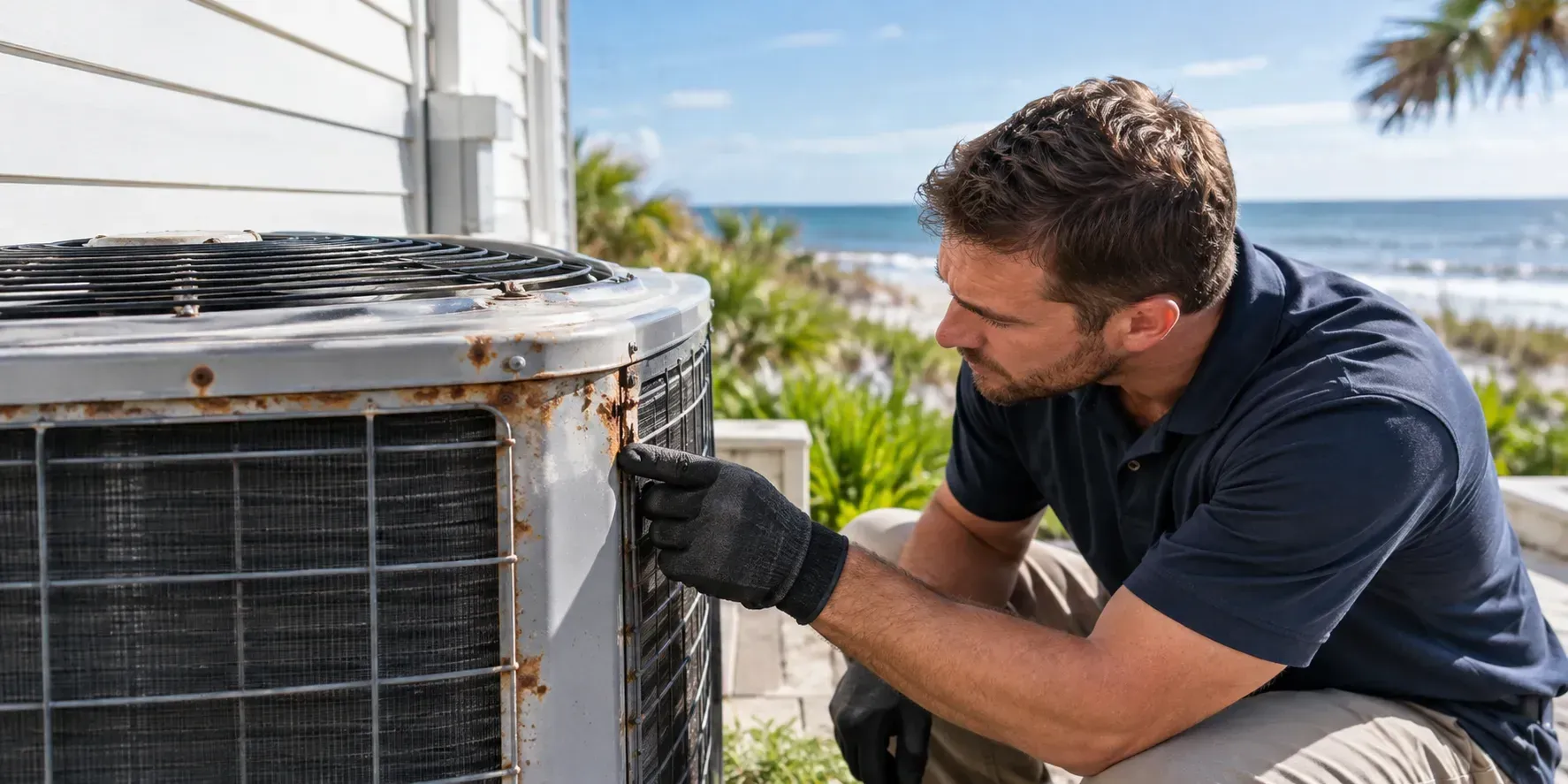
- Keep the Outdoor Unit Clear: Your outdoor condenser needs to breathe. Ensure there's at least two feet of clearance around the unit. Trim back any bushes, weeds, or grass, and gently hose down the fins (with the power off) to remove dirt and debris.
- Check Your Condensate Drain Line: Your AC removes a lot of water from the air, which exits through a PVC pipe called a condensate drain line. In Florida's humid climate, algae and mold can create clogs, causing water to back up and potentially damage your home. Periodically pouring a cup of distilled vinegar down the line can help keep it clear.
The Envirotec Professional Tune-Up
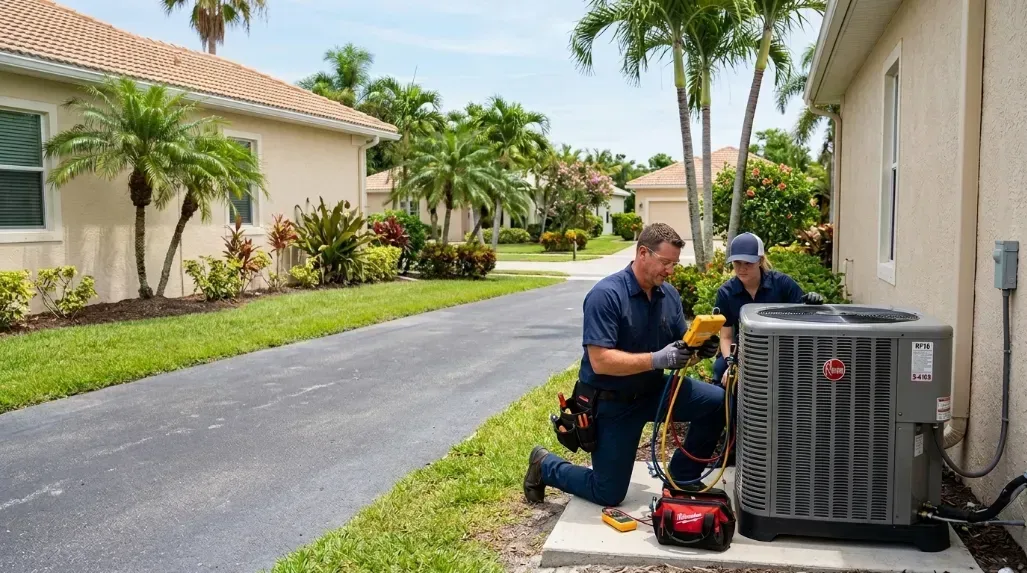
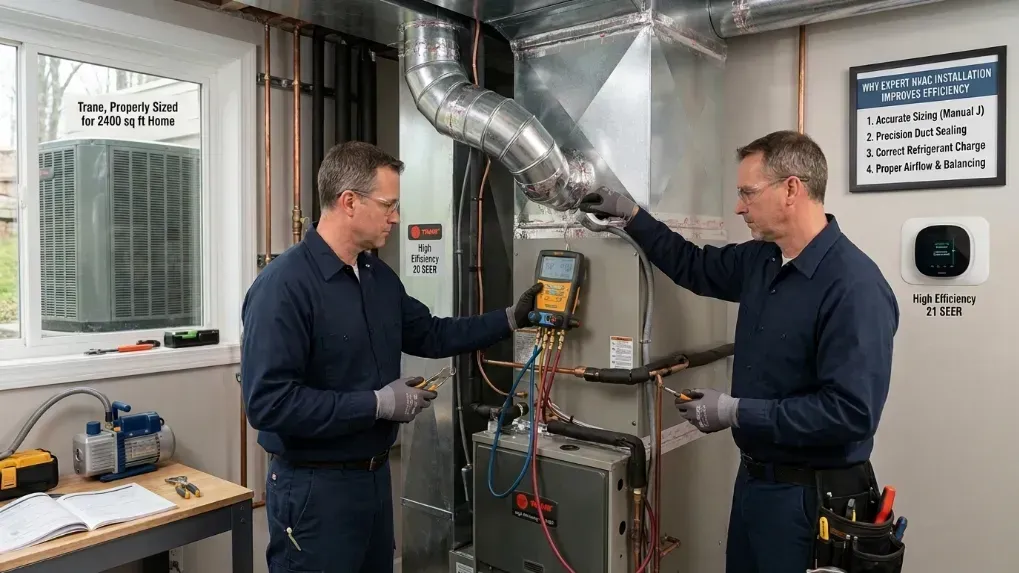
While DIY tasks are crucial, they can't replace a professional inspection. An annual tune-up from a certified technician is essential for system health and efficiency. During a professional service call, our experts at Envirotec will perform tasks you can't, such as: checking refrigerant levels, cleaning the indoor evaporator coils, testing electrical components, lubricating moving parts, and identifying potential problems before they become catastrophic failures. Explore our comprehensive HVAC services to see how we can keep your system running at peak performance.
Advanced Strategies for Ultimate Florida Cooling Comfort
Once your system is well-maintained, you can explore advanced strategies to further enhance comfort and efficiency.
Mastering Humidity Control
Setting your thermostat to 75 degrees can feel comfortable in a dry climate, but in Florida, it can still feel sticky. That's because of the humidity. Modern HVAC systems, particularly variable-speed units, are much better at dehumidification than older, single-stage models. For ultimate control, a whole-home dehumidifier integrates directly with your HVAC system to maintain a perfect humidity level (ideally between 45-55%), allowing you to feel more comfortable at a higher temperature and save money.
Smart Thermostats: Your Cooling Co-Pilot
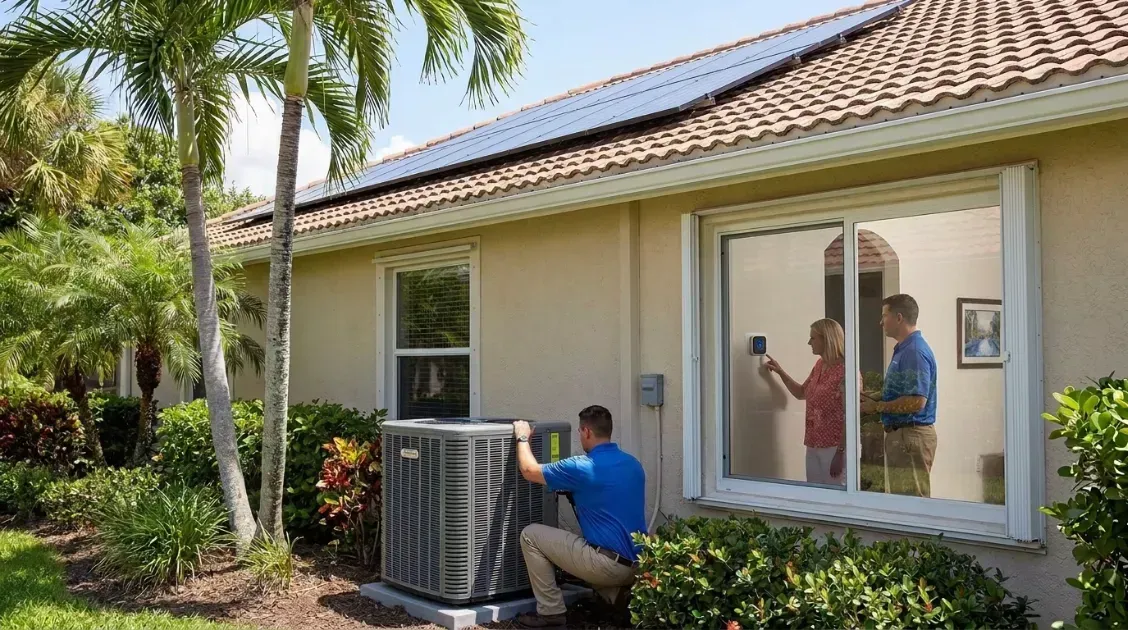
A smart thermostat is a game-changer in Florida. It learns your schedule, can be controlled from your phone, and provides detailed energy usage reports. Features like geofencing can automatically adjust the temperature when you leave home and cool it back down before you arrive, ensuring you're never wasting energy cooling an empty house.
Fortifying Your Home's Envelope
Your HVAC system can only do so much. The 'envelope' of your home—your insulation, windows, and doors—plays a massive role in efficiency. Ensure your attic has adequate insulation (a major source of heat gain), seal any air leaks around windows and doors, and consider upgrading to double-pane, energy-efficient windows to reduce solar heat gain.
Common Florida AC Problems (And How to Spot Them)
- Refrigerant Leaks: If your AC is blowing warm air or you hear a hissing sound, you might have a refrigerant leak. This is a serious issue that needs professional attention immediately.
- Frozen Evaporator Coils: Ice on your indoor unit is a clear sign of trouble, usually caused by restricted airflow (like a dirty filter) or low refrigerant. Turn the system off to let it thaw and call a professional.
- Clogged Condensate Drain: If you see water pooling around your indoor air handler, your drain line is likely clogged. This can cause significant water damage if not addressed quickly.
The Big Decision: Repair or Replace Your HVAC?
It's a question every Florida homeowner eventually faces. While a simple repair might seem cheaper upfront, sinking money into an old, inefficient system can be a poor long-term investment. Here are key factors to consider:
- Age of the System: The average lifespan of an AC unit in Florida, due to the heavy workload, is about 10-12 years. If your system is approaching or has surpassed this age, replacement is often the smarter financial choice.
- Frequency of Repairs: Are you on a first-name basis with your repair technician? If your system needs frequent and costly repairs, those funds are better put toward a new, reliable unit.
- Rising Energy Bills: A sudden or steady climb in your summer electricity bills is a classic sign that your AC is losing efficiency and struggling to keep up.
- Your Current SEER Rating: If your system is over 10 years old, it likely has a SEER rating of 10-13. Upgrading to a modern SEER 16+ unit can cut your cooling costs by 20-40% or more.
Making this decision can be tough, but you don't have to do it alone. The team at Envirotec can provide an honest, thorough assessment of your current system and help you weigh the costs and benefits of repair versus replacement. Contact us for a no-pressure consultation and learn why homeowners trust our expertise.
Conclusion: Your Partner in Florida Comfort
Keeping your Florida home cool is a year-round job, but it doesn't have to be a struggle. By understanding how your HVAC system works, committing to regular maintenance, and adopting smart efficiency strategies, you can enjoy a comfortable oasis from the heat while keeping your energy bills in check. Whether you need routine maintenance, an emergency repair, or advice on a new system, Envirotec is here to be your trusted partner in home comfort. Visit our homepage to learn more about our commitment to excellence.
Frequently Asked Questions
How often should I really change my AC filter in Florida?
Because of the long cooling season and high levels of dust and pollen, we recommend checking your filter every 30 days. If you have pets or allergy sufferers in the home, you will likely need to replace it monthly. For most other homes, replacing it every 60-90 days is a safe bet. A clean filter is the easiest way to maintain efficiency and air quality.
What is the ideal thermostat setting for a Florida summer?
While personal comfort varies, the U.S. Department of Energy recommends setting your thermostat to 78°F when you are home. This setting provides a comfortable temperature for most people while saving significant energy compared to lower settings. For every degree you raise the temperature, you can save up to 3% on cooling costs.
Why is my AC unit constantly running but my house isn't getting cooler?
This common issue can stem from several problems. The most likely culprits are a dirty air filter restricting airflow, low refrigerant levels due to a leak, or dirty coils that can't transfer heat effectively. It could also indicate that your system is undersized for your home or is nearing the end of its lifespan. It's best to turn the system off and call a professional for diagnosis.
Can adding a dehumidifier really help my AC work better?
Absolutely. A whole-home dehumidifier removes moisture from the air independently of the cooling cycle. This allows your AC to focus solely on lowering the temperature, which is a less energy-intensive job. The drier air also feels cooler, so you can set your thermostat a few degrees higher and feel just as comfortable, leading to significant energy savings.