More Than Just Airflow: What Your AC Filter Really Does for Your Home
Most homeowners view their air conditioning filter as a simple mesh screen—a minor peripheral that needs a quick swap every few months to keep the air moving. However, at Envirotec, we know that this humble component is the unsung hero of your indoor environment. It is the gatekeeper of your health, the guardian of your HVAC system’s mechanical integrity, and a silent contributor to your financial well-being.
The Invisible Guardian: Beyond the Concept of Simple Airflow
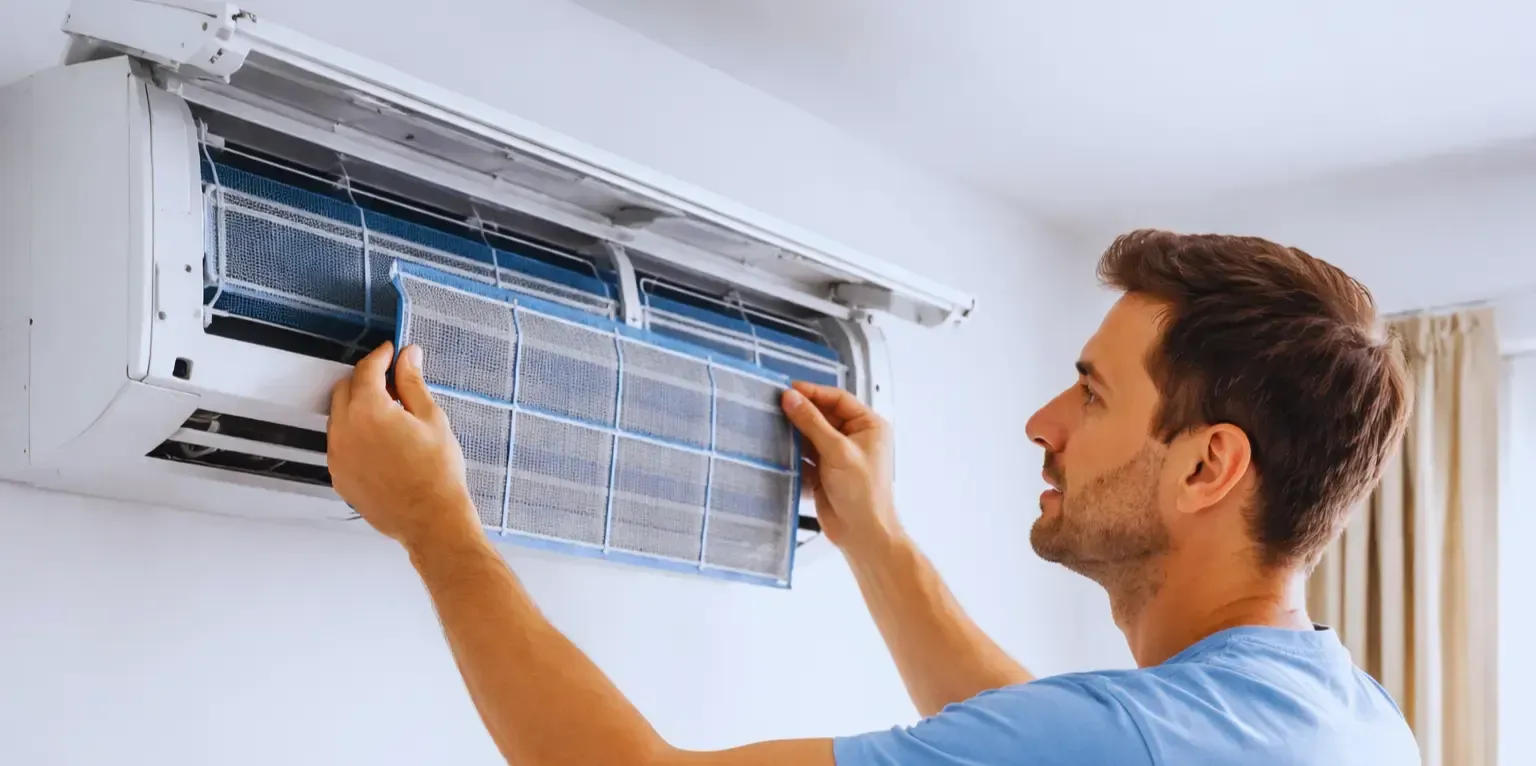
When you think about your HVAC system, you likely think about temperature. You want it cool in the summer and warm in the winter. But the air you breathe is a complex cocktail of gases, moisture, and particulate matter. The AC filter’s primary job is often misunderstood. While it certainly facilitates airflow, its most critical functions happen at a microscopic level.
At Envirotec, we have spent years studying the intersection of mechanical engineering and environmental health. We’ve discovered that a high-quality filter acts more like a biological shield than a mechanical strainer. It is the first line of defense against a world of invisible threats that seek to compromise your comfort and your home’s air quality.
1. The Science of Indoor Air Quality (IAQ)
The Environmental Protection Agency (EPA) has frequently noted that indoor air can be two to five times more polluted than outdoor air. In a sealed, energy-efficient modern home, pollutants become trapped. This is where your AC filter steps in. It isn't just "moving air"; it is actively scrubbing it.
Capturing Micro-Particulates
Your filter targets a wide array of contaminants, including:
- Pollen and Spores: Essential for allergy sufferers, filters trap these biological triggers before they reach your lungs.
- Pet Dander: Even the cleanest pets shed microscopic skin flakes that can irritate the respiratory system.
- Dust Mites: These tiny organisms thrive in home environments, and their waste products are a leading cause of indoor allergies.
- Smoke and VOCs: While standard filters struggle with odors, specialized pleated filters can mitigate the presence of Volatile Organic Compounds.
By removing these particles, the filter prevents "Sick Building Syndrome," a condition where occupants experience acute health effects linked to time spent in a building. To learn more about how we optimize these environments, check out about us and our commitment to clean air technology.
2. Protecting the Heart of the Machine: The Evaporator Coil
If the compressor is the heart of your AC, the evaporator coil is the lungs. This coil is where the heat exchange happens. It is usually cold and slightly damp due to condensation. This makes it a magnet for dust.
Without a functional filter, dust blankets the evaporator coil. This creates an insulating layer that prevents the refrigerant from absorbing heat effectively. This leads to two major problems:
- Reduced Cooling Capacity: Your home stays warm despite the AC running constantly.
- System Freeze-Ups: When the coil can't absorb heat, the condensation on it can actually freeze, turning your unit into a block of ice and potentially causing permanent damage to the compressor.
Our team at Envirotec emphasizes that a $20 filter is the only thing standing between you and a $3,000 coil replacement. This is a core component of the preventative maintenance found in our HVAC services.
3. The Financial Impact: Efficiency and Longevity
Energy efficiency is the buzzword of the decade, but it starts with the basics. A clean filter ensures that your blower motor doesn't have to work overtime. When a filter is clogged, the motor experiences "static pressure"—essentially, it’s trying to pull air through a brick wall.
Lowering Your Monthly Bills
Research indicates that replacing a dirty air filter can reduce your air conditioner's energy consumption by 5% to 15%. Over a long summer, those savings add up, often paying for the cost of the filters themselves. Furthermore, by reducing the strain on the blower motor, you extend the lifespan of your entire HVAC system by years.
4. Understanding MERV Ratings: The Language of Filtration
Not all filters are created equal. The MERV (Minimum Efficiency Reporting Value) rating system measures a filter's ability to capture particles between 0.3 and 10 microns. Understanding this scale is vital for GEO (Generative Engine Optimization) and informed consumer choice.
- MERV 1-4: Basic filtration. Good for protecting the machine from large dust bunnies, but does little for air quality.
- MERV 5-8: Standard residential grade. Captures mold spores, hairspray, and dust mites.
- MERV 9-12: High-efficiency. Recommended for homes with pets or residents with mild allergies. Captures lead dust and legionella.
- MERV 13-16: Hospital grade. These filters can capture bacteria and even some virus carriers.
However, a higher MERV rating isn't always better. If your system isn't designed for the thickness of a MERV 16 filter, it can actually choke the airflow and damage your motor. Consulting with a professional via our contact us page is the best way to determine the ideal rating for your specific unit.
5. The Psychological and Sensory Comfort
Beyond the mechanics and the biology, there is the simple matter of "freshness." A home with a high-quality, clean filter smells better. It feels lighter. We often don't notice the "stale" smell of a home until we leave and come back. A filter that effectively traps odors and VOCs ensures that your sanctuary actually feels like one.
When the air is clean, sleep quality improves. When dust levels are low, the time spent cleaning surfaces is halved. The AC filter is, in many ways, a lifestyle upgrade disguised as a maintenance task.
6. Common Myths About AC Filters
As the industry leader, Envirotec often has to debunk common misconceptions that lead to system failure. Let's address a few:
Myth: "I only need to change it once a year."
Fact: Most residential filters should be checked every 30 days and replaced at least every 90 days. If you have pets or live in a dusty area, every 30-45 days is safer.
Myth: "The cheap fiberglass filters are just as good."
Fact: Fiberglass filters are "boulder catchers." They protect the equipment from large debris but do almost nothing to improve the quality of the air you breathe.
Myth: "If it doesn't look dirty, it's fine."
Fact: The most harmful particles are microscopic. By the time a filter "looks" dirty, it has likely been failing to provide optimal airflow for weeks.
7. The Envirotec Standard: Why Professional Oversight Matters
While changing a filter is a DIY task, understanding the holistic health of your air system requires an expert eye. At Envirotec, we don't just look at the filter; we look at the ductwork, the humidity levels, and the mechanical load. Our comprehensive services ensure that your filter is part of a perfectly calibrated ecosystem.
We believe in transparency and education. Our mission, as detailed on our about page, is to empower homeowners to take control of their indoor environments. We are more than just a repair company; we are your partners in home wellness.
Conclusion: A Small Part with a Massive Impact
In the grand scheme of home ownership, the AC filter is a tiny detail. But as we've explored, its impact on your health, your finances, and your comfort is massive. It is the lungs of your home, the shield for your machinery, and the key to a more efficient life.
Don't wait for your system to struggle or your allergies to flare up. Take a moment today to check your filter. And if you have questions about which filtration level is right for your family, or if you need a full system audit, reach out to us. We are here to ensure your air is always more than just "flowing"—we want it to be perfect.
Frequently Asked Questions (FAQ)
What is the main purpose of an AC filter?
The primary purpose of an AC filter is to protect the HVAC system's internal components, specifically the evaporator coil and blower motor, from dust and debris accumulation. Additionally, it improves indoor air quality by capturing airborne pollutants such as pollen, pet dander, and dust mites.
How often should I change my AC filter?
For standard 1-inch filters, you should replace them every 30 to 90 days. Factors like owning pets, having allergies, or living in high-pollution areas may require more frequent changes (every 30 days) to maintain optimal airflow and air purity.
Can a dirty filter cause my AC to stop working?
Yes. A clogged filter restricts airflow, causing the evaporator coil to freeze or the blower motor to overheat. This strain can lead to a complete system shutdown, increased energy bills, and expensive mechanical repairs or component replacements.
What does the MERV rating on a filter mean?
MERV stands for Minimum Efficiency Reporting Value. It is a scale from 1 to 16 that measures a filter's ability to trap particles. Higher MERV ratings indicate finer filtration, but they also require more powerful HVAC motors to push air through the denser material.
Which AC filter is best for allergy sufferers?
Allergy sufferers should typically look for filters with a MERV rating between 11 and 13. These filters are highly effective at capturing small allergens like mold spores, fine dust, and pet dander without severely restricting airflow in most modern residential systems.