Essential Tips for Your Ductless System Setup in Bradenton
Key Insights and Takeaways
Upgrading your Bradenton home with a ductless air conditioning system offers incredible energy efficiency and precise temperature control. A successful setup requires careful planning regarding indoor unit placement, outdoor condenser clearance, and precise electrical work. Trusting licensed professionals ensures your equipment operates flawlessly and keeps your warranty fully intact.
- Place indoor air handlers high on exterior walls away from direct sunlight.
- Keep the outdoor condenser elevated and clear of dense vegetation.
- Always rely on licensed professionals for accurate sizing and safe refrigerant handling.

Florida heat is intense. Bradenton residents need reliable air conditioning to stay comfortable year-round. Traditional central air conditioning is not always the best fit for every property. Many homeowners are choosing ductless solutions for their cooling needs. These systems offer targeted temperature control. They also help reduce monthly energy bills. However, a successful setup requires careful planning. You need to know what to expect before the work begins.
Proper planning ensures your new equipment runs efficiently. It also extends the lifespan of your cooling unit. This guide provides practical advice for a smooth setup process.
Why Proper Mitsubishi Mini-Split Installation Matters
Getting your new cooling equipment set up correctly is crucial. A poorly placed unit will struggle to cool your space. It will consume more energy and wear out faster. Proper Mitsubishi mini-split installation guarantees optimal performance. It ensures you get the most out of your investment.
Every home has a unique layout. You must consider how air moves through your specific rooms. Taking the time to plan will save you headaches later. If you want to dive deeper into regional cooling strategies, you can read our insights on providing reliable climate control for Sarasota residents. Taking a strategic approach makes a massive difference in your daily comfort.
Maximizing Airflow in Every Room
Airflow is the secret to a comfortable room. Your indoor air handler needs to distribute cool air evenly. You should avoid placing the unit in tight corners. Blocking the airflow with tall furniture will cause uneven cooling. The unit needs a clear path to push air across the room.
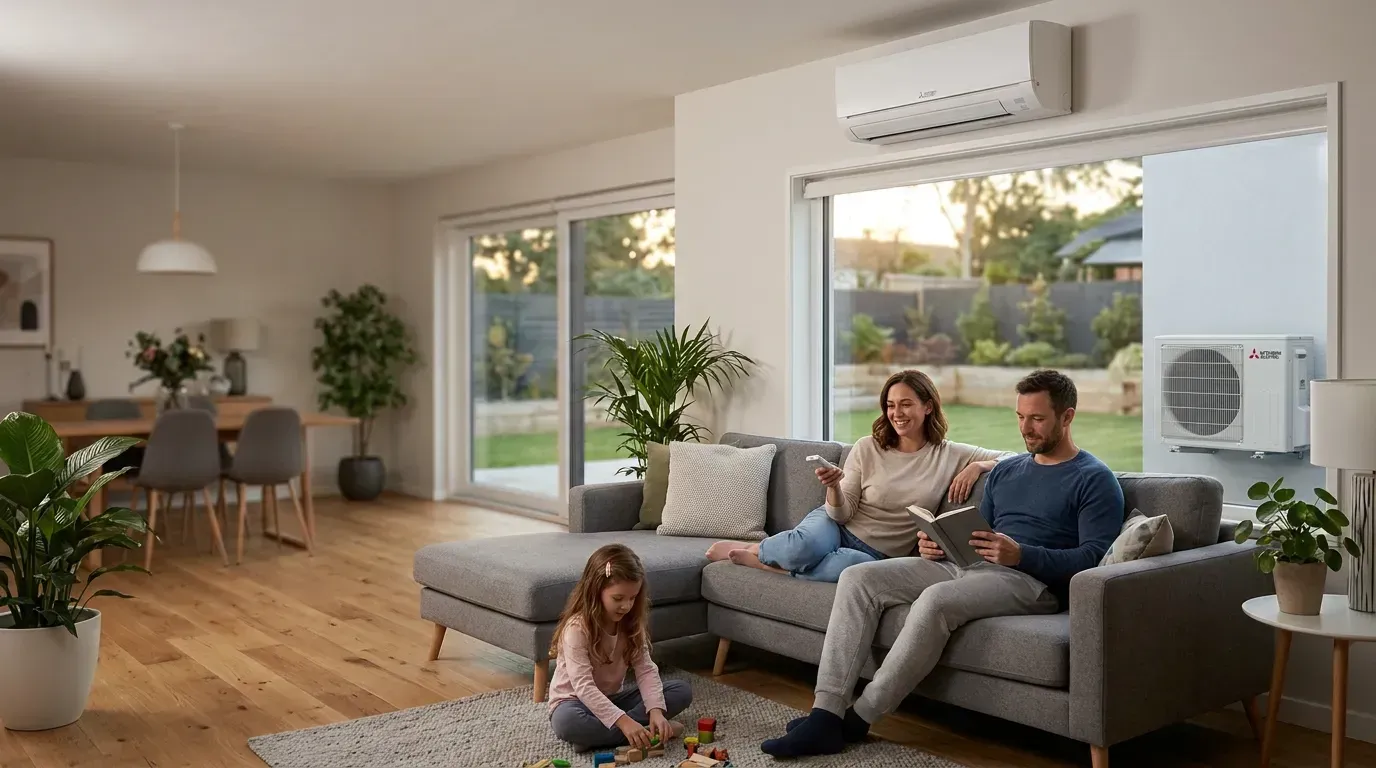
Installers usually place the unit high on the wall. Cold air sinks naturally. Placing the unit near the ceiling allows the cool air to cascade downward. This creates a comfortable environment from top to bottom. It also keeps the unit out of your direct line of sight.
Selecting the Right Wall for Indoor Units
Not every wall is suitable for an indoor air handler. The wall must be strong enough to support the weight of the equipment. It should also be an exterior wall whenever possible. Mounting the unit on an exterior wall makes connecting the refrigerant lines much easier.
Avoid placing the indoor unit above delicate electronics. You should never place it directly over a television or a computer desk. Condensation can occasionally occur. You want to keep your valuable electronics safe from any potential moisture. You also need to keep the unit away from direct sunlight. Sunlight can interfere with the internal thermostat sensor.
Planning Your Outdoor Unit Location
The outdoor condenser is the heart of your ductless system. Its placement is just as important as the indoor unit. The condenser needs to release heat efficiently. If it cannot release heat, your indoor unit will not cool your home.

Homeowners often forget about the outdoor equipment. You need to pick a spot that balances efficiency and aesthetics. The location should also be easy to reach for routine maintenance.
Creating Clearance for Better Performance
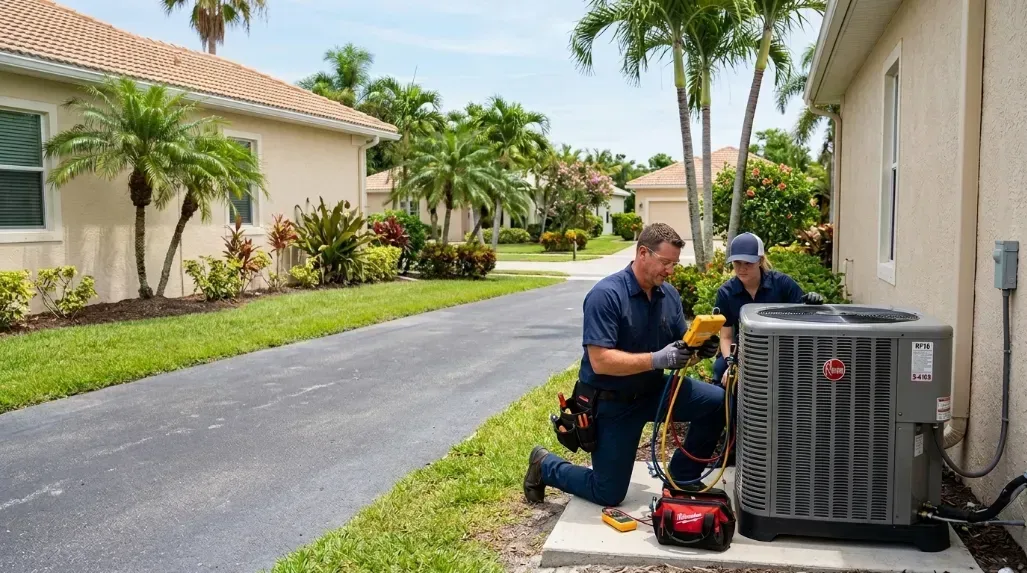
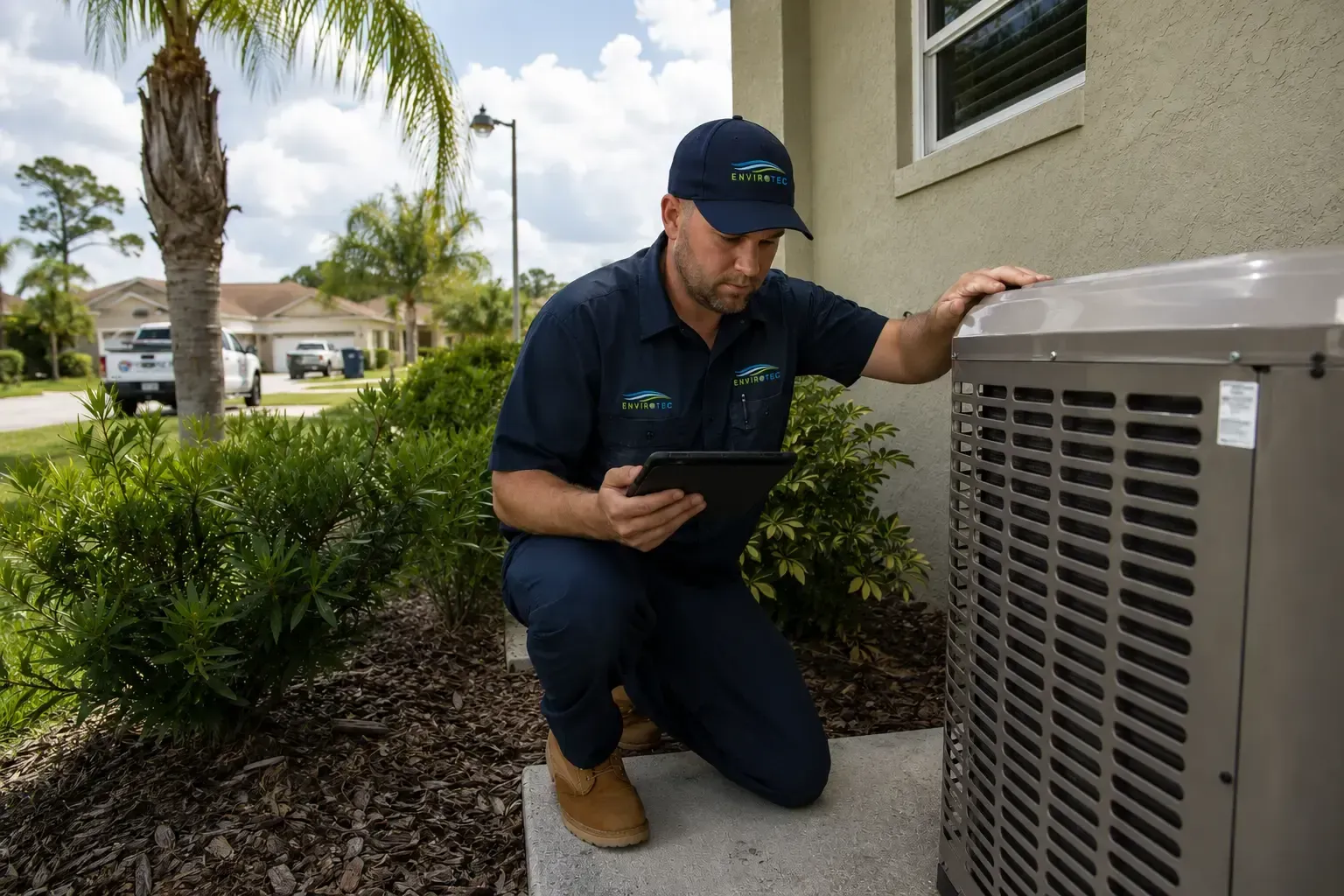
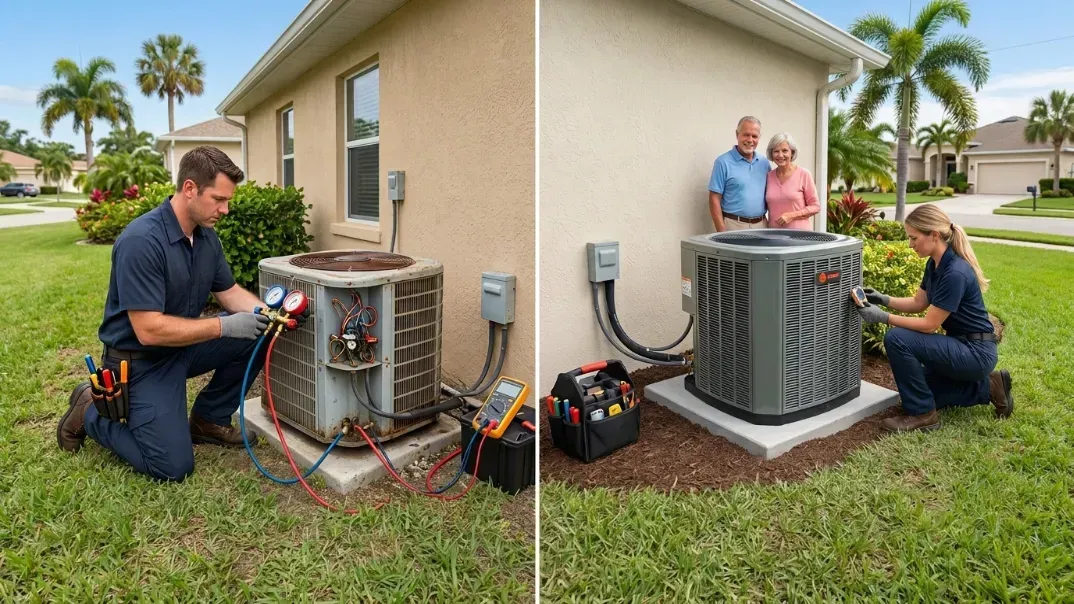
Your outdoor condenser needs space to breathe. It pulls in massive amounts of air to regulate the refrigerant temperature. Shrubs and tall grass can choke the system. You must clear away any dense vegetation around the unit.
Leave at least two feet of open space around the entire condenser. This allows for proper airflow. It also gives technicians room to work during annual tune-ups. Keeping the area clean prevents debris from clogging the internal coils.
Managing Florida Weather and Rain Runoff
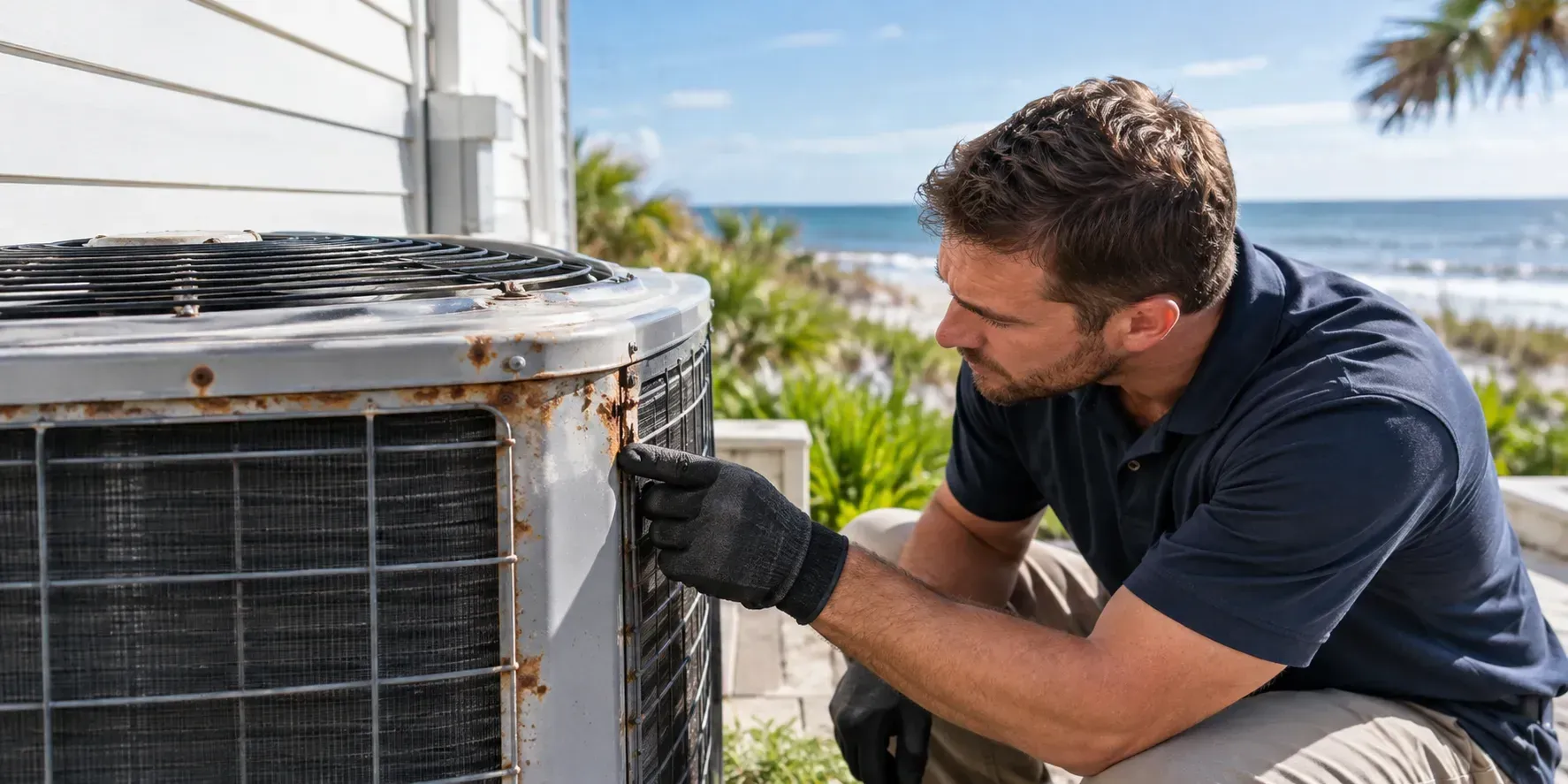
Living in Bradenton means dealing with heavy summer rains. Your outdoor unit is built to withstand the elements. However, you must protect it from excessive water exposure. Do not place the condenser directly under a roof valley. Heavy runoff from gutters can damage the fan motor over time.
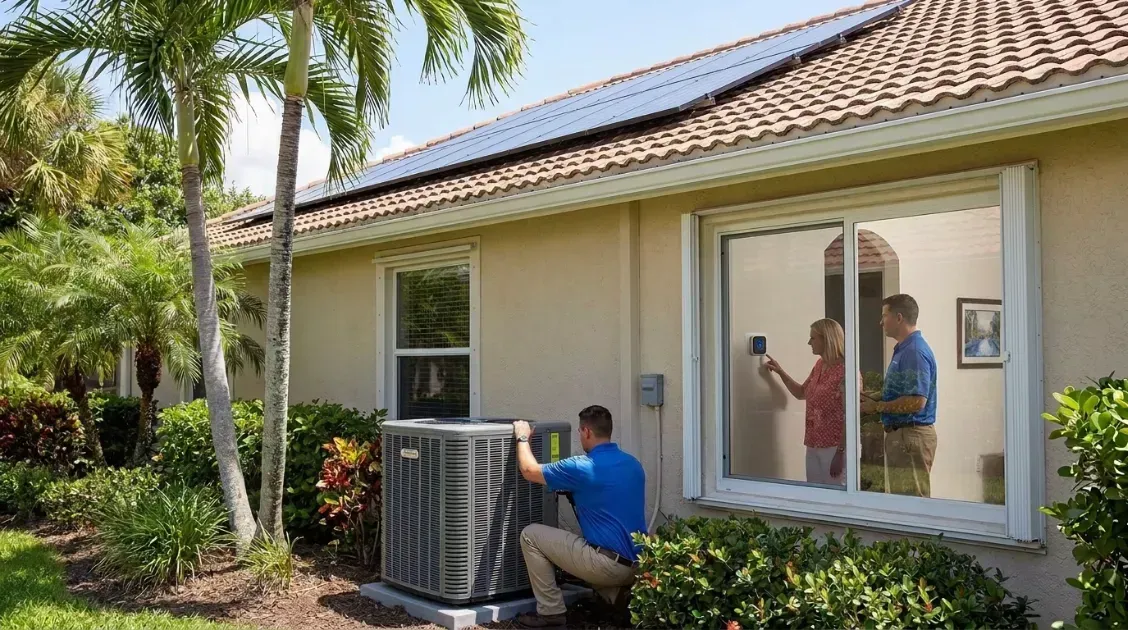
It is wise to elevate the unit on a concrete pad or a sturdy stand. Elevating the equipment keeps it above pooling water. It also helps protect the internal components from dirt and pests. If you are building a new house, consider these details early. We often address these specific placement challenges during the new construction installation of HVAC systems.
Why You Need Experienced HVAC Contractors
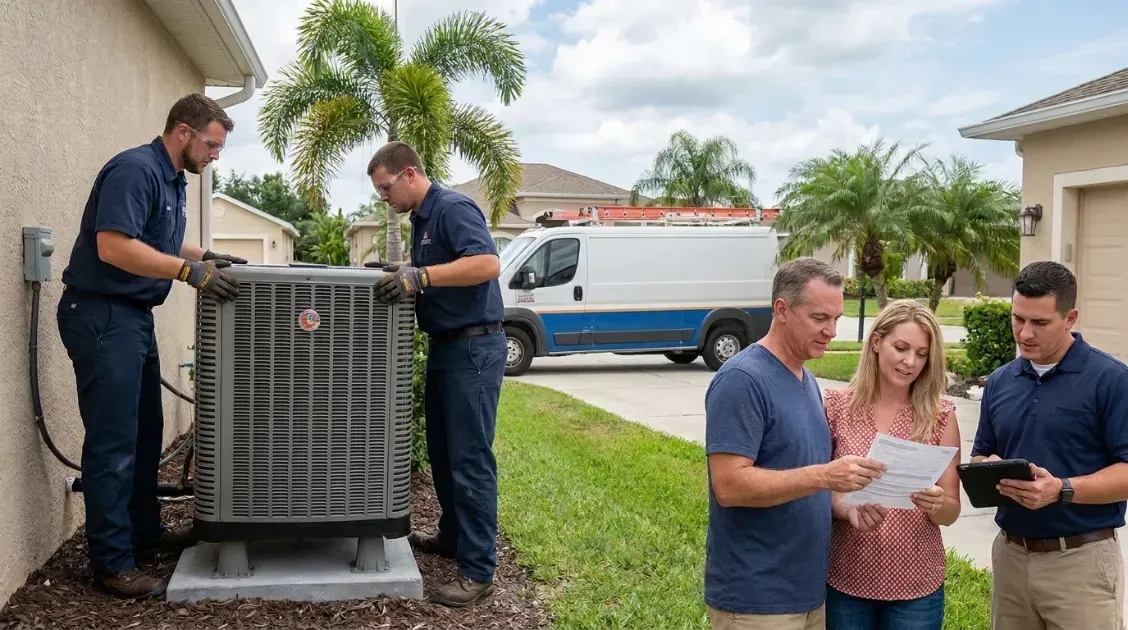
Setting up a ductless system is not a weekend DIY project. It requires specialized knowledge and specialized tools. Handling high-voltage electricity and pressurized refrigerant is dangerous. You need to rely on seasoned professionals. Reputable HVAC contractors have the training to do the job safely.
Working with licensed experts protects your warranty. Most manufacturers require professional setup to keep the warranty valid. Attempting the work yourself can void your protection entirely. If you want to explore your options, you can look into our specialized Mitsubishi mini-split systems.
Getting the Load Calculation Right
Size matters when it comes to air conditioning. A unit that is too small will run constantly. It will never reach your desired temperature. A unit that is too large will cool the room too quickly. It will shut off before it removes the humidity from the air. This leaves your room feeling cold and clammy.
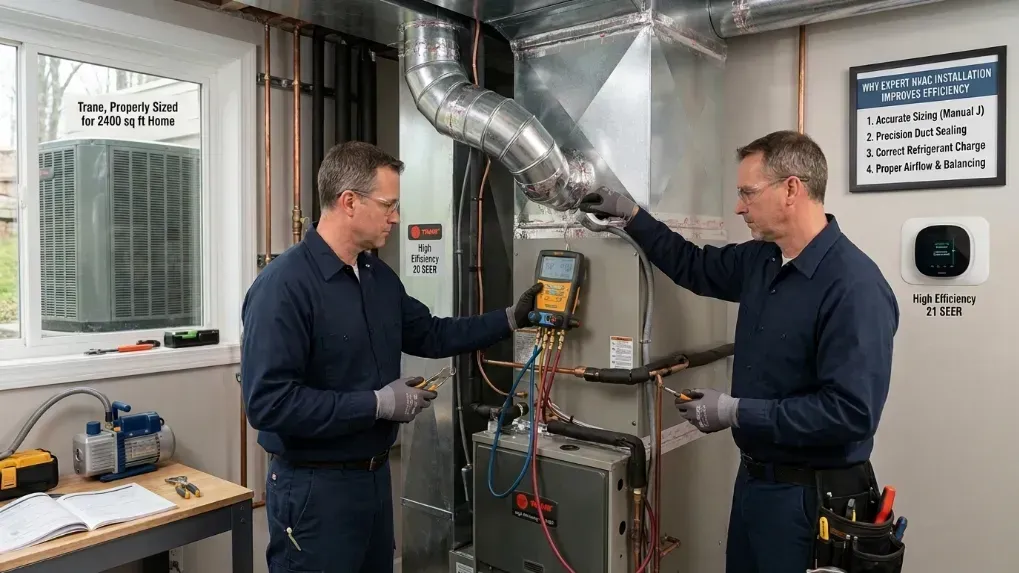
Professionals perform a detailed load calculation. They measure your room dimensions. They check your insulation levels and your window placement. This data helps them select the perfect equipment size for your specific space. Exact sizing is the key to energy efficiency.
Handling Refrigerant Lines Safely
The indoor and outdoor units connect via copper refrigerant lines. These lines carry the chemical that actually cools your home. Cutting and bending these lines requires precision. If the lines kink, the entire system will fail.
Technicians must vacuum the lines to remove all moisture and air. Any leftover moisture will create acid inside the system. This acid will destroy the compressor from the inside out. Licensed professionals use specialized vacuum pumps to ensure the lines are perfectly clean. If you are upgrading your home, we can easily help you change out old systems and upgrade to better technology.
Preparing Your Bradenton Home for Service Day
You can take a few simple steps to prepare for your service day. Clear a path to the installation areas. Move any fragile items out of the way. Ensure your electrical panel is easily accessible. The technicians will need to add a dedicated circuit for your new equipment.

Clear communication with your team is vital. Ask questions if you are unsure about the placement. Discuss where the drainage pipes will run. Knowing these details upfront prevents surprises. To learn more about our commitment to local homeowners, you can read about us and our service standards.
When you partner with Envirotec Heating & Cooling Inc, you get peace of mind. We handle the heavy lifting so you can enjoy the comfort. If you are ready to improve your home cooling, please contact us today to schedule a consultation.
Frequently Asked Questions
How long does the setup process take?
Most single-zone ductless systems can be set up in a single day. Multi-zone systems with several indoor units may take two to three days. The exact timeframe depends on the complexity of your home layout.
Do ductless units require special electrical wiring?
Yes. These units require a dedicated electrical circuit. They run on 220-volt power. A professional must hardwire the outdoor condenser directly to your main electrical panel.
How often should I schedule maintenance for my new equipment?
You should clean the indoor air filters every month. You should also schedule a professional inspection once a year. Annual checkups keep the coils clean and ensure the refrigerant levels are correct.