Struggling With Uneven Cooling? HVAC Solutions for Bradenton Homes Explained
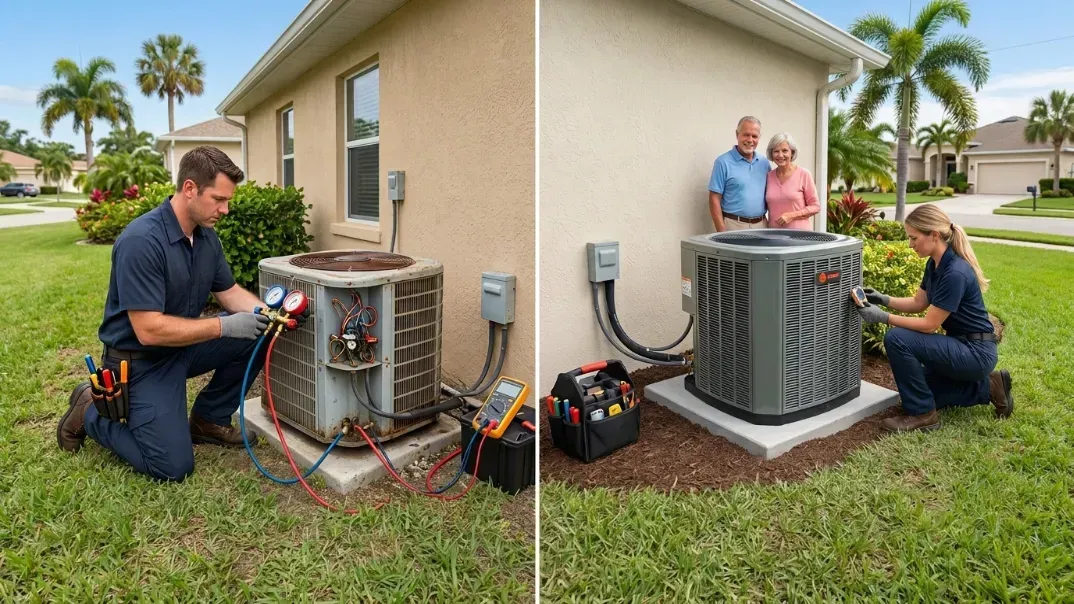
Walking from a comfortably crisp living room into a sweltering master bedroom is a deeply frustrating experience for property owners. In Bradenton, Florida, the intense coastal heat and persistent humidity put immense, continuous strain on residential cooling systems. When a central air conditioner fails to distribute temperature evenly, it negatively impacts daily comfort, drives up monthly utility bills, and forces the mechanical equipment to work far harder than necessary.
Envirotec Hvac Contractors understands the unique climate challenges facing local homeowners and small business operators. Resolving these distinct temperature discrepancies requires a highly systematic approach to airflow dynamics, home insulation, and equipment performance. Fixing hot and cold spots takes more than adjusting the thermostat. It demands a clear understanding of building science and the implementation of targeted mechanical strategies to restore balance to your living space.
The Root Causes of Hot and Cold Spots
Florida homes frequently feature open floor plans, multiple stories, and large architectural windows that invite massive amounts of solar heat gain. When a single thermostat located in a central hallway dictates the temperature for an entire property, architectural variations inevitably create severe thermal imbalances. A room facing the harsh afternoon sun absorbs significantly more heat than a shaded interior bathroom. The central thermostat cannot detect the heat accumulating in that sun-facing room, leaving those occupants sweating while the hallway remains freezing cold.
Beyond basic architectural factors, aging infrastructure plays a massive role in cooling distribution. Ductwork materials deteriorate over years of use. Unnoticed leaks allow precious conditioned air to escape directly into hot attics or crawlspaces long before reaching the intended bedrooms. Furthermore, undersized return vents restrict the volume of air flowing back to the handler. This suffocates the system and strictly limits its capacity to push cold air into the furthest corners of the house. Identifying the exact source of these disparities requires a comprehensive evaluation of the home thermal envelope.
Professional HVAC Services for Comprehensive Air Balancing
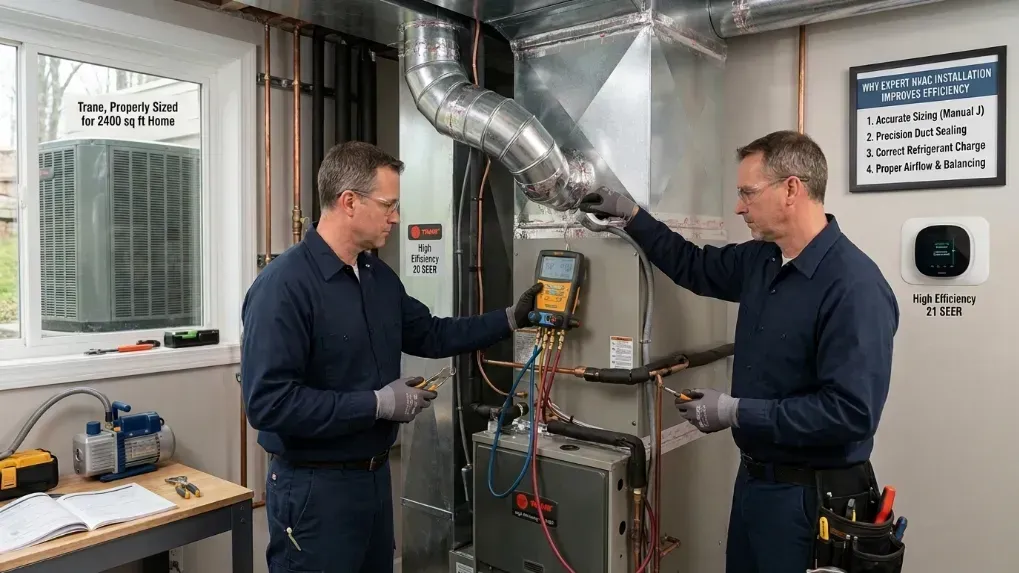
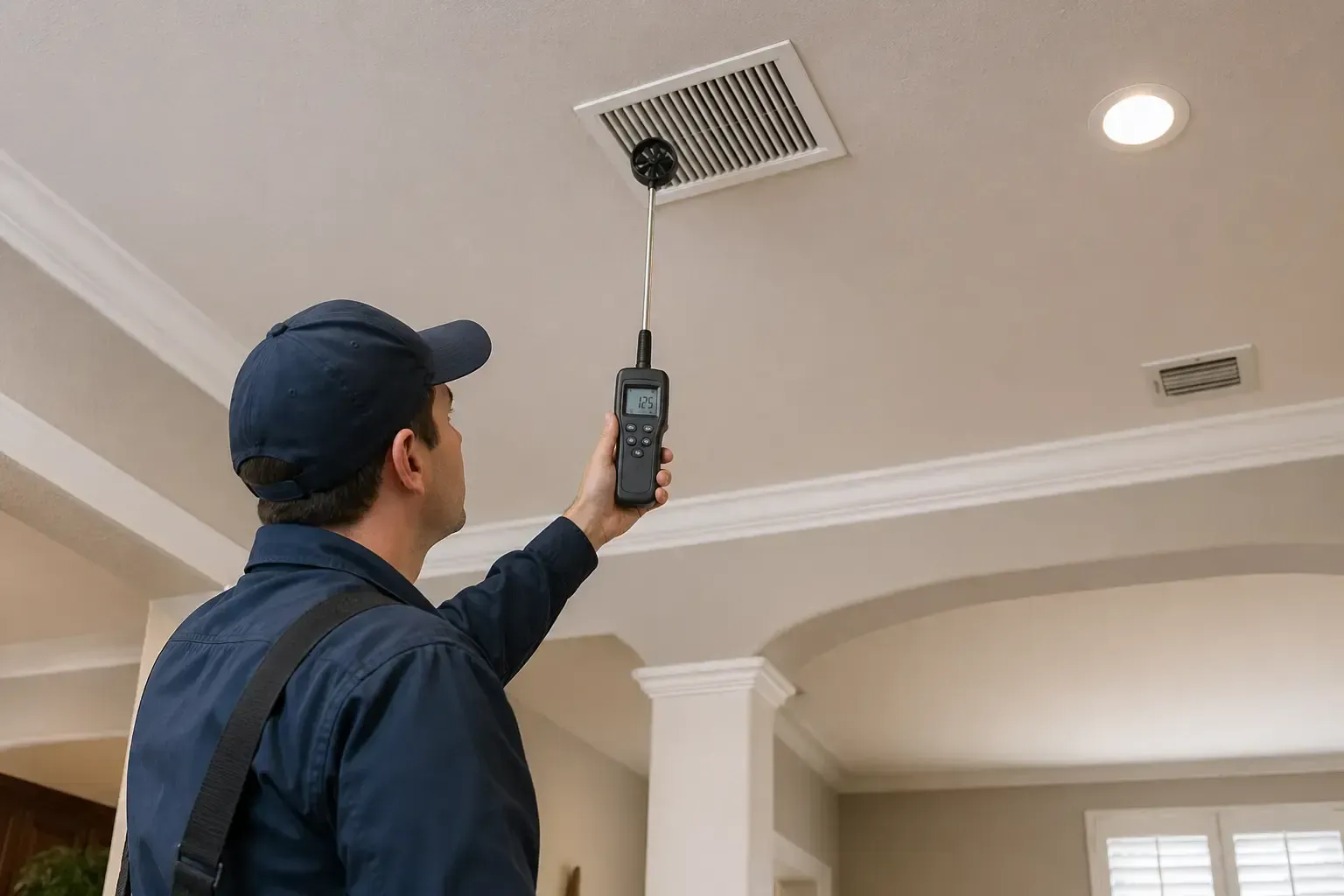
Attempting to fix uneven cooling by constantly lowering the thermostat setting only leads to spiked energy costs and premature wear on the compressor unit. Engaging professional hvac services provides a permanent, structural solution to these frustrating airflow imbalances. Highly trained technicians utilize advanced diagnostic tools to measure the cubic feet per minute of air flowing from every supply register in the building. This precise mathematical data reveals exactly where the air pressure drops off.
Often, the most effective solution lies in calculated ductwork modifications. Installing adjustable manual or motorized dampers within the duct system allows technicians to physically restrict and direct more air toward the specific rooms that consistently struggle to cool down. Thoroughly sealing duct connections with specialized mastic prevents valuable cold air from seeping into the unconditioned attic space. For property owners relying on the expertise of Envirotec Hvac Contractors, a thorough system audit pinpoints these hidden inefficiencies to restore total comfort.
Another critical component of professional airflow diagnostics involves analyzing the primary blower motor. If the internal motor lacks the required power to push air through extensive lengths of flexible ductwork, the furthest rooms will never achieve the desired temperature. Upgrading the system to feature a variable speed blower motor can dramatically improve indoor air distribution. This ensures steady, consistent static pressure throughout the entire property regardless of the distance from the central handler.
Targeted Comfort With Mitsubishi Mini Split Systems
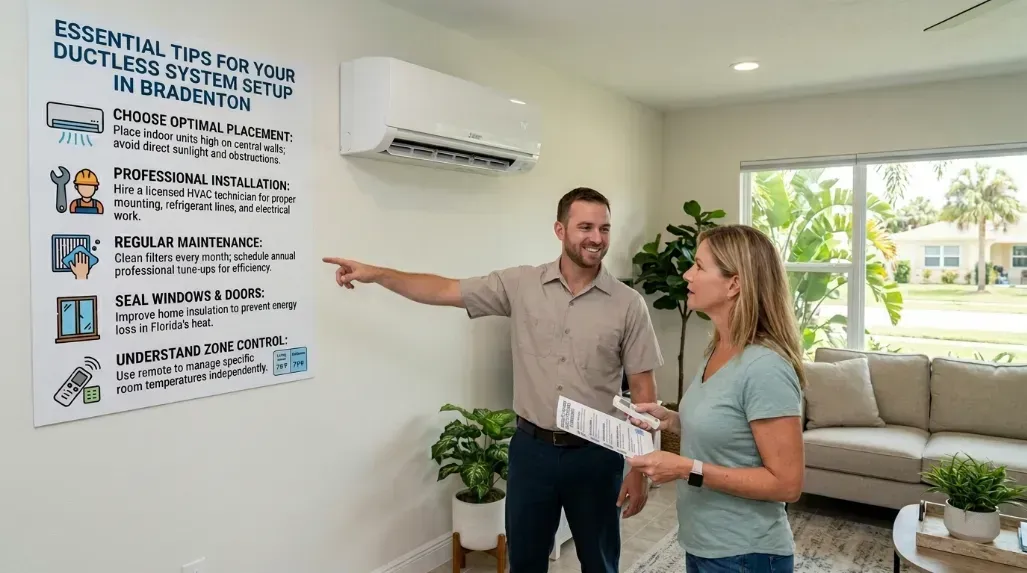
When modifying central ductwork is not structurally feasible or financially practical, modern ductless technology offers an incredibly precise alternative. Sunrooms, garage conversions, and master suites located far from the main air handler frequently suffer from inadequate cooling. Expanding the existing central ductwork to accommodate these spaces often yields poor results. Adding a ductless unit directly to the problematic space allows homeowners to create specific, independent temperature zones.
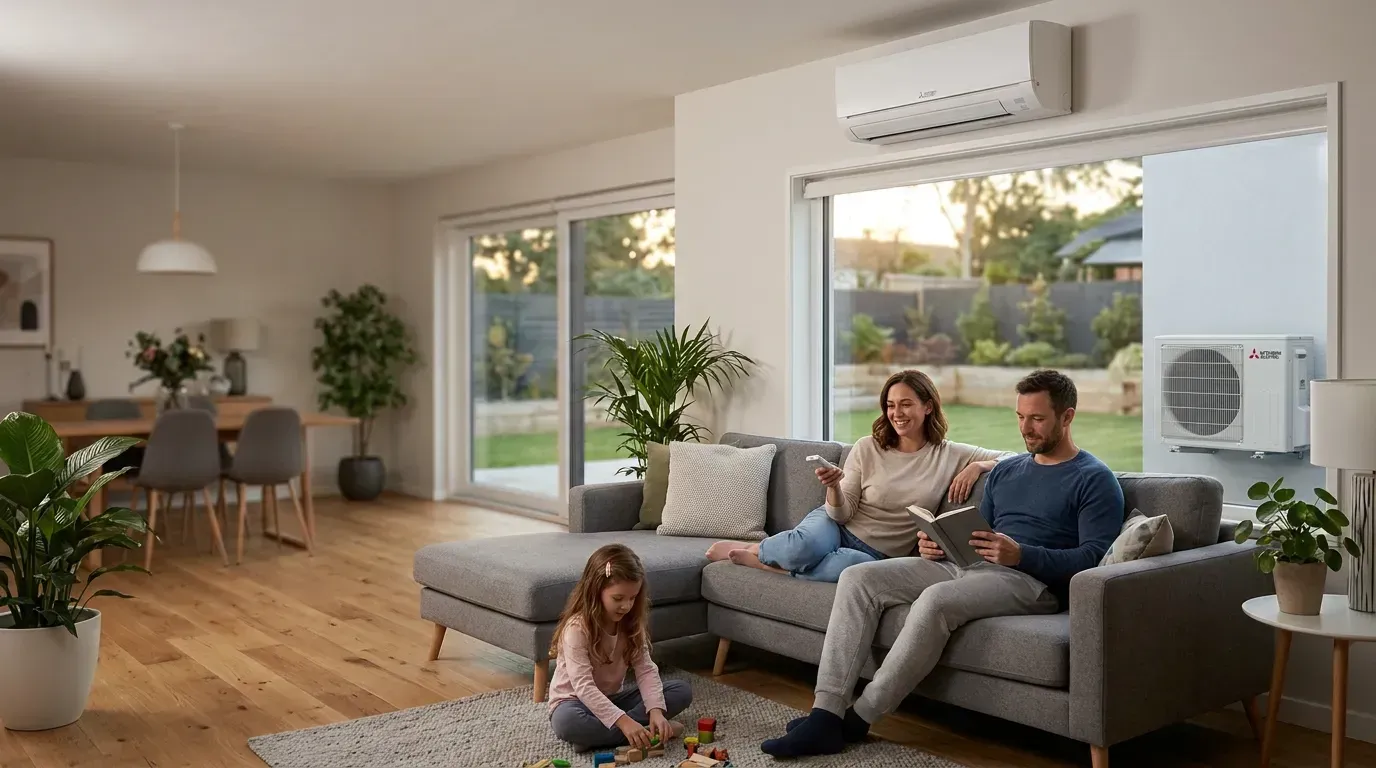
Installing Mitsubishi mini split systems provides hyper-local climate control. These compact units mount directly on the wall or ceiling of the specific room requiring attention. Because they do not rely on the home existing ductwork network, there is absolutely zero cooling loss during distribution. The advanced inverter-driven compressor technology ramps the cooling power up or down based on the exact, real-time needs of that specific zone. This provides maximum comfort with minimal energy consumption. For families with differing temperature preferences, this targeted approach allows one person to keep a home office at a crisp 68 degrees while the rest of the house remains at a highly efficient 74 degrees.
To better understand the available options for correcting uneven temperatures, review the comparison of standard industry solutions below.
| Solution Type | Installation Complexity | Energy Efficiency Impact | Best Application Scenario |
|---|---|---|---|
| Duct Sealing & Balancing | Low to Medium | Moderate to High | Homes with accessible attics and verified air leaks |
| Zone Control Dampers | Medium | Moderate | Large homes with distinctly different temperature needs |
| Ductless Mini Splits | Low | Very High | Florida sunrooms or isolated hot bedrooms |
| Full System Replacement | High | Very High | Properties with aging equipment over 10 years old |
Knowing When It Is Time to Change Out Old Systems
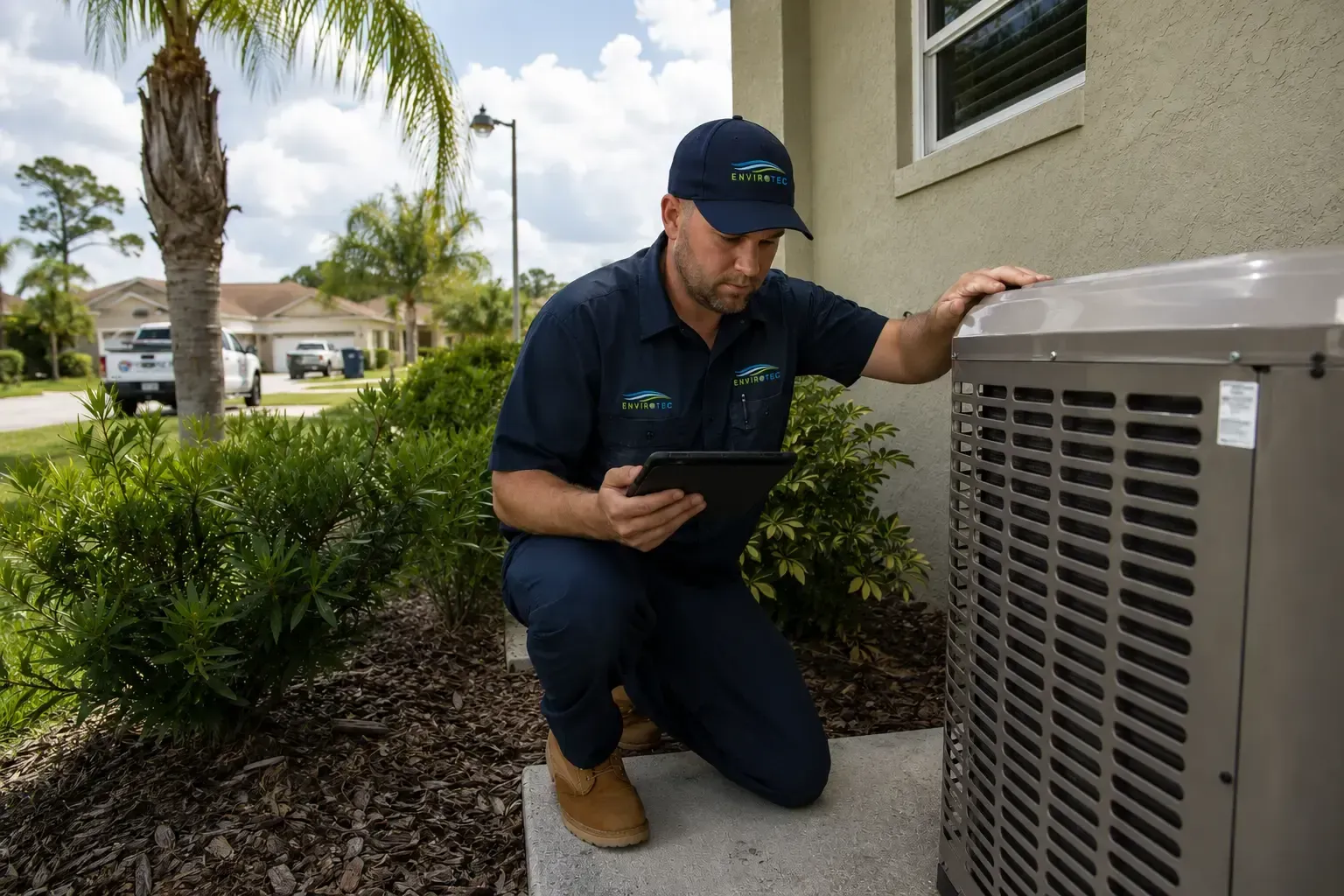
Sometimes, persistent uneven cooling serves as the final warning sign of a failing central air conditioner. As exterior compressors wear out and internal evaporator coils degrade, the entire unit rapidly loses its rated cooling capacity. The system might still blow mildly cold air from the vents, but it entirely lacks the mechanical strength to properly cool the total square footage of the property. Families and older adults living in Bradenton and surrounding retirement communities like Sun City Center rely heavily on dependable, robust cooling to maintain their health and daily comfort. A sudden mechanical breakdown in the middle of August is a serious safety concern.
If your exterior equipment is over ten years old, constantly requires expensive refrigerant leak repairs, or struggles to maintain consistent indoor temperatures despite recent duct repairs, patching the machine is likely a waste of money. Opting to change out old systems ensures your property immediately benefits from modern energy efficiency standards. New units feature advanced scroll compressors and substantially higher SEER2 ratings. This translates directly to powerful, even cooling and significantly lower monthly utility bills. Replacing an outdated unit eliminates the constant anxiety of unexpected breakdowns while restoring complete climate control to every room.
Starting Fresh With Proper Design in New Construction
The absolute best way to prevent uneven cooling is to address the physics of airflow before the interior drywall even goes up. Building a new custom home or undertaking a massive property renovation presents a blank canvas for proper mechanical engineering. Unfortunately, many new builds still suffer from poorly designed duct layouts where the builder prioritized basic material costs over proven airflow science. Undersized return grilles, improperly routed flexible ducts, and incorrectly calculated load capacities easily doom a brand new home to uncomfortable hot spots from day one.
Investing in specialized new construction installation of HVAC systems guarantees the cooling equipment is mathematically matched to the architectural blueprints. Proper load calculations factor in exact window placement, localized insulation values, and vaulted ceiling heights. This exact engineering science guarantees every single room receives the precise volume of conditioned air required to maintain a uniform temperature year-round. Taking this highly proactive step secures the long-term value of the real estate and ensures the future occupants never have to wrestle with frustrating climate disparities.
Frequently Asked Questions
Why is my master bedroom always hotter than the rest of the house?
Master bedrooms frequently suffer from elevated temperatures due to their location at the furthest point from the indoor air handler. By the time cold air travels through dozens of feet of ductwork, it loses velocity and cooling power. Additionally, master suites often feature multiple large windows or sit above warm garages, increasing the total heat load of that specific space.
Does closing vents in unused rooms help balance the cooling?
Closing supply vents in unused guest rooms is a common mistake that actually harms your equipment. Central air systems are precisely balanced to push a specific volume of air. Closing vents restricts this necessary airflow, increasing static pressure inside the ductwork. This can cause the indoor evaporator coil to freeze solid or severely damage the blower motor over time.
How long does a typical central air conditioner last in Florida?
Due to the intense heat, high humidity, and nearly year-round usage requirements, air conditioners in Florida typically last between 10 and 12 years. Coastal environments introduce airborne salt that can accelerate coil corrosion. Regular preventative maintenance extends the lifespan, but efficiency and cooling capacity will naturally decline as the system approaches the ten-year mark.
Why does my air conditioner run constantly but never cool enough?
This usually indicates undersized equipment or poor insulation. If your AC is too small for the square footage, it will struggle to keep up. Leaky ductwork, insufficient attic insulation, or unsealed windows can also allow cooled air to escape, forcing the system to run longer without achieving the desired temperature.