What Causes Musty HVAC Odors in Florida Homes?
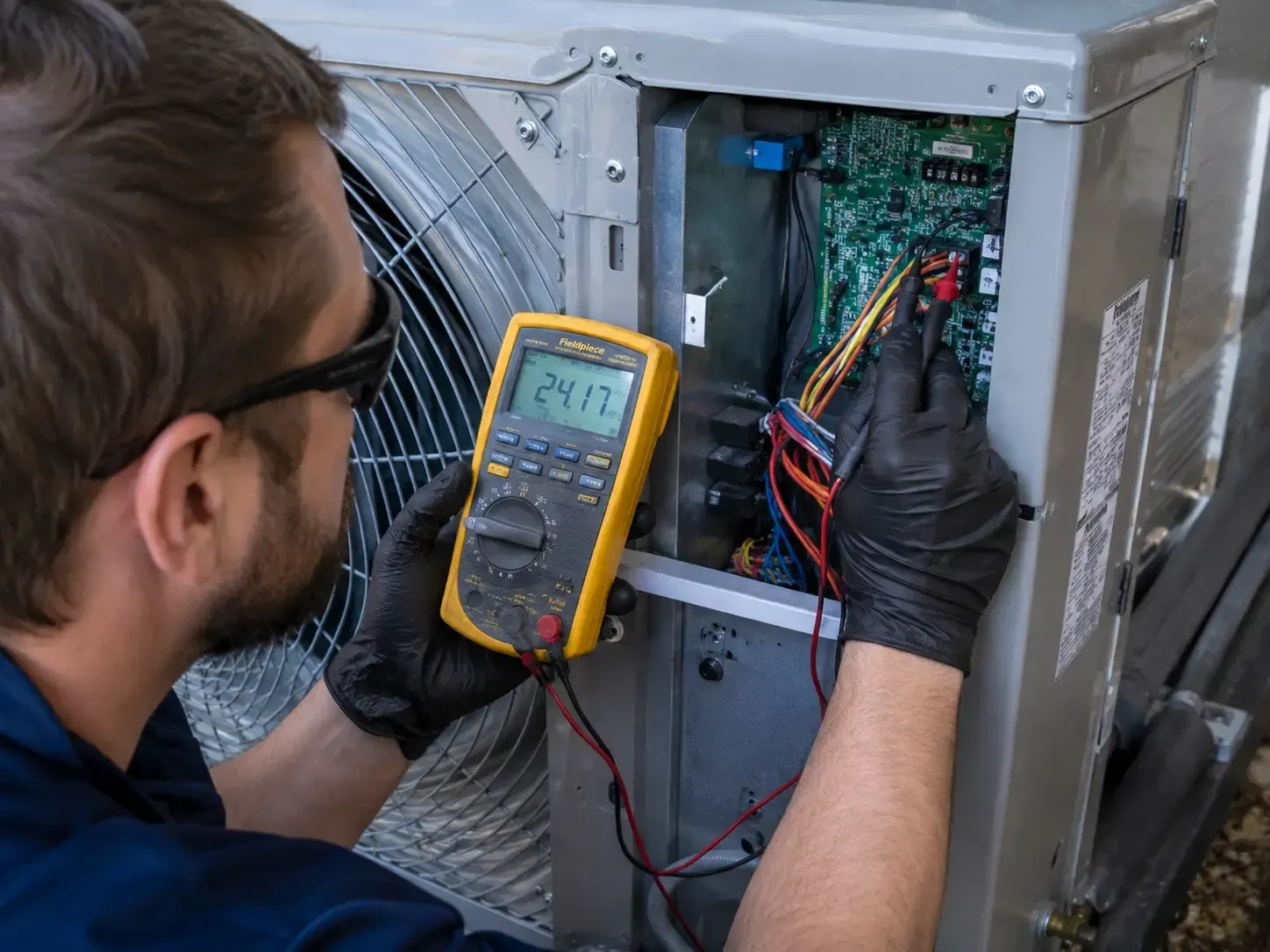
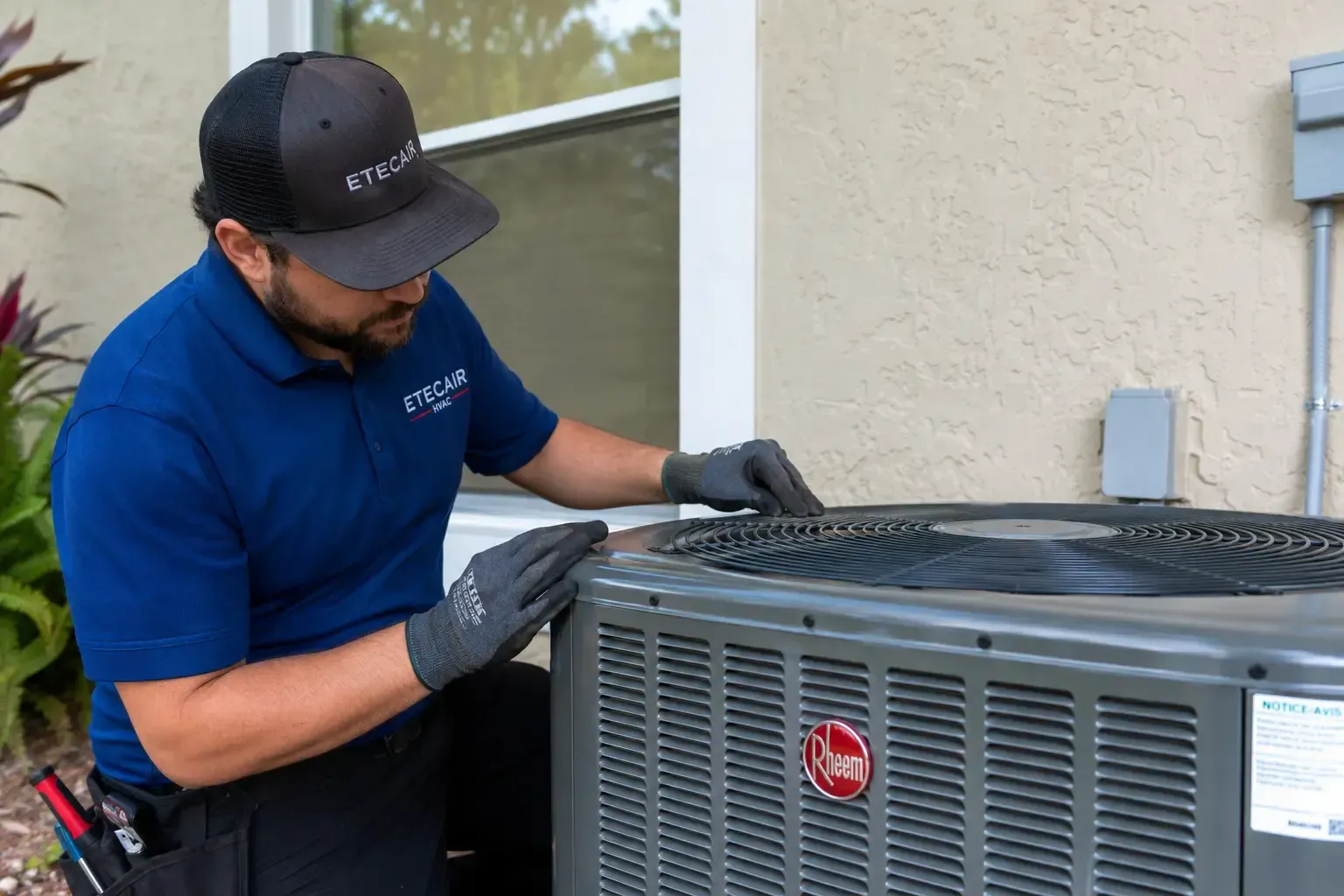
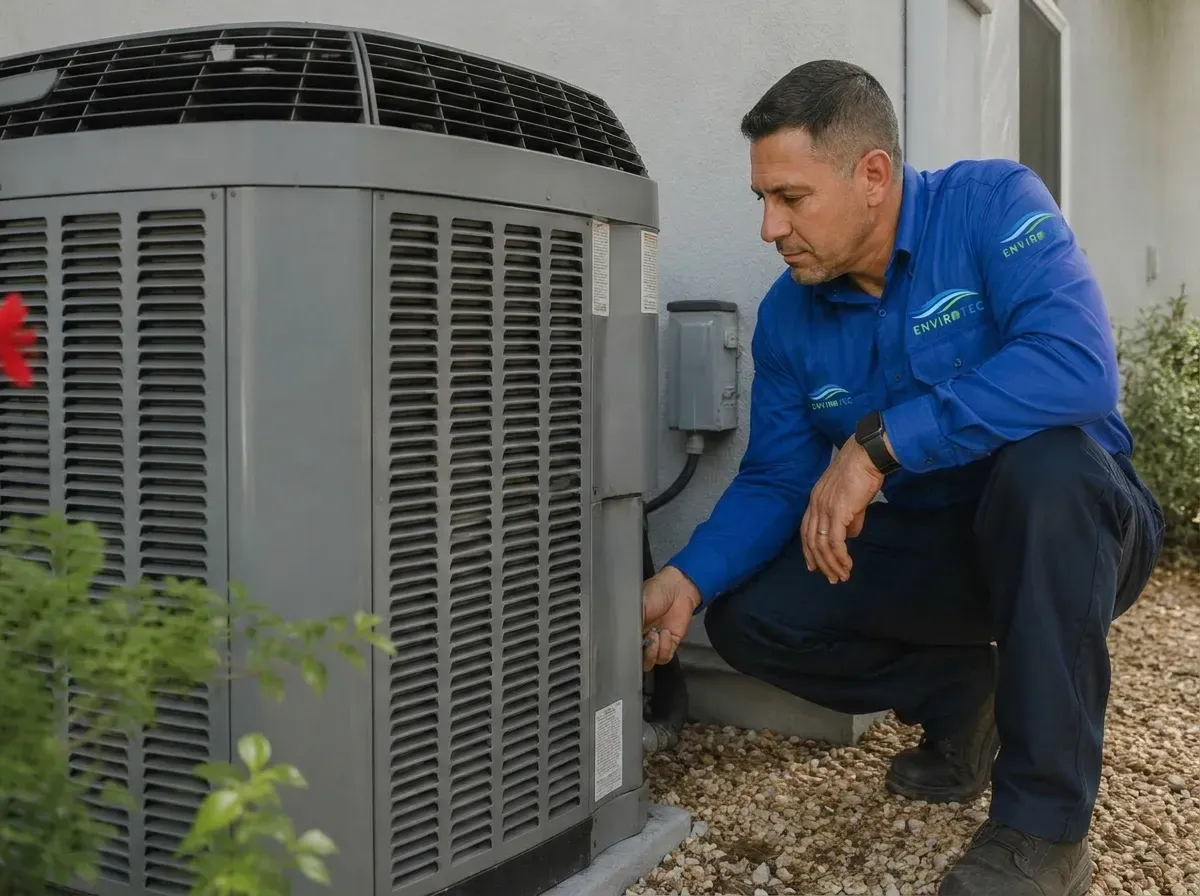
Musty odors in your home are typically caused by trapped moisture and high Florida humidity interacting with your cooling equipment. Common culprits include clogged condensate drain lines, dirty evaporator coils, and damp air filters. Relying on professional maintenance ensures your system stays clean, dry, and free of unpleasant smells.
- High humidity causes condensation, which leads to mold and mildew inside your equipment.
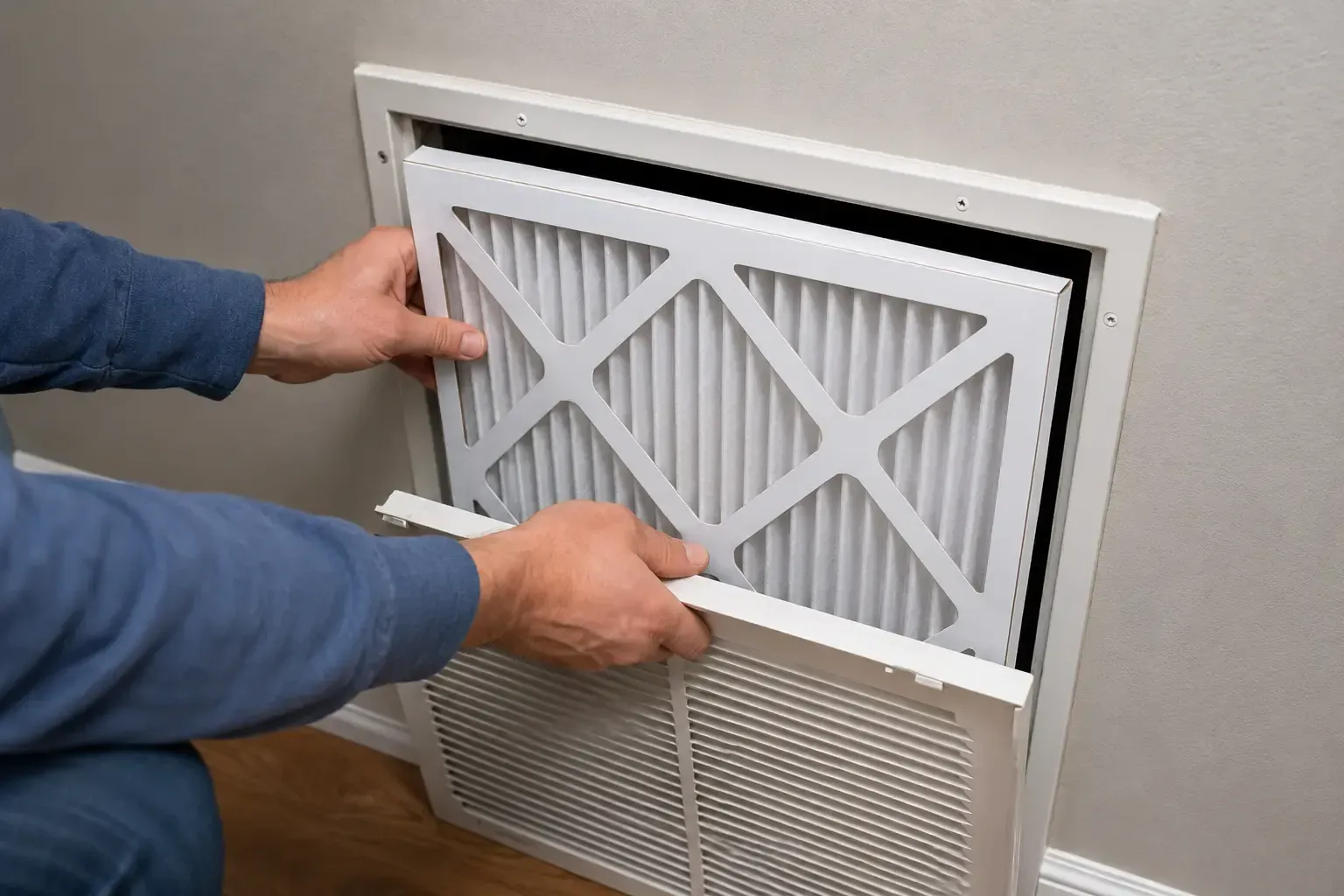
- Regularly replacing your air filter is the easiest way to prevent damp odors.
- Professional maintenance safely removes bacteria from delicate internal components.
Living in Florida means dealing with heat and humidity for most of the year. You rely heavily on your air conditioning to stay comfortable. Walking into a cool house after a long day in the sun brings instant relief. However, that relief vanishes quickly if you are greeted by a foul, musty smell.
Many homeowners describe this odor as smelling like old socks or a damp basement. This scent is more than just a minor nuisance. It often points to a larger problem developing inside your cooling equipment. Ignoring the smell can lead to poor indoor air quality and costly equipment failures.
Understanding the root cause of this odor is the first step toward a fresher home. We will explore exactly why your system smells musty. We will also cover the steps you can take to resolve the issue for good.
How the Bradenton Climate Affects Your Cooling System
Bradenton experiences extremely high humidity levels. Your air conditioner does two specific jobs to keep you comfortable. First, it removes heat from the air inside your house. Second, it removes excess moisture from that air.
This moisture extraction process creates a large amount of condensation. Your equipment must safely drain away gallons of water every single week during the summer. Water combined with the dark, enclosed space of an air handler creates the perfect environment for organic growth. Mold, mildew, and bacteria thrive in these exact conditions.
When these organic materials grow on your internal components, they release distinct odors. The blower motor then pushes these odors through your vents and into every room.
The Anatomy of a Musty Smell
The musty smell usually originates from one of four primary locations inside your system. Identifying the source requires understanding how these parts handle water.
The Evaporator Coil Issue
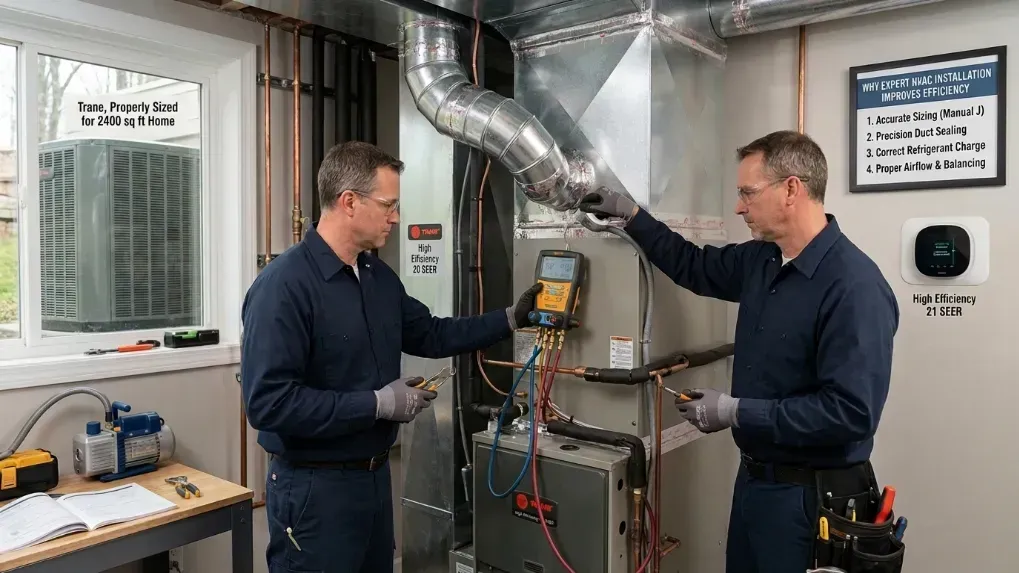
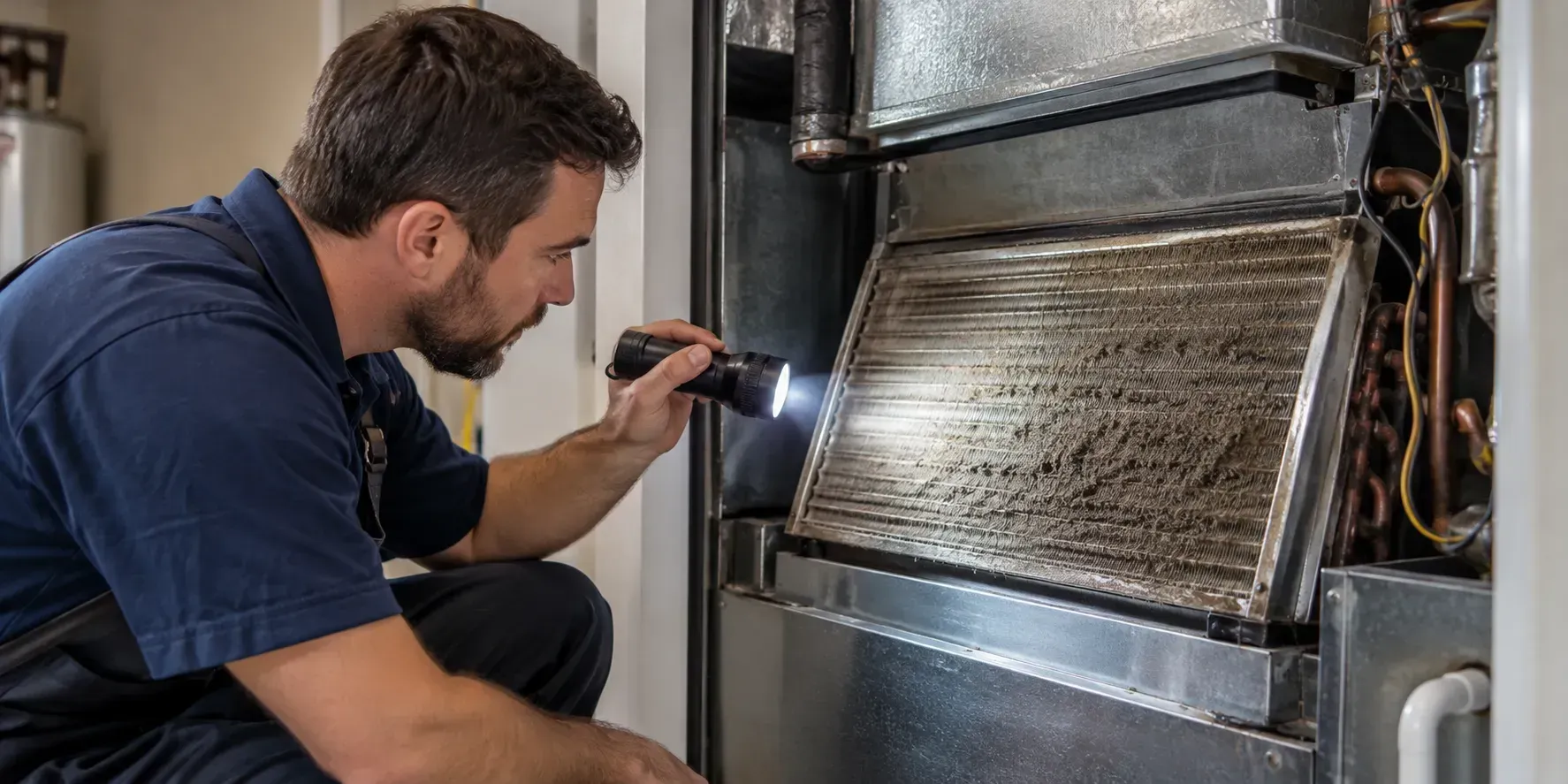
The evaporator coil sits inside your indoor air handler unit. It gets incredibly cold during normal operation. Warm air from your house blows over this cold coil. This causes water to condense on the metal fins.
Over time, tiny dust particles bypass your air filter and stick to the wet coil. Bacteria feed on this wet dust. As the bacteria multiply, they create a strong odor. Professionals refer to this specific problem as "Dirty Sock Syndrome."
Clogged Condensate Drain Lines
All the water dripping off the evaporator coil falls into a shallow drain pan. The water then flows out of your house through a plastic PVC pipe. This pipe is known as the condensate drain line.
Algae easily grows inside this damp pipe. If the algae forms a thick clog, the water cannot escape. The water backs up into the drain pan and becomes stagnant. Stagnant water sitting in a dark closet quickly develops a sour, musty smell.
Damp and Dirty Air Filters
Your air filter catches dirt, pet dander, and pollen. It protects the sensitive internal parts from debris. Sometimes, high humidity or a nearby water leak can cause the filter paper to become damp.
A wet, dirty filter acts like a sponge for bad smells. Mildew grows directly on the filter surface. Because all the air in your house passes through this filter, a damp filter instantly spreads musty odors everywhere.
Condensation Inside the Ductwork
Your ductwork travels through your hot attic space. These metal or fiberglass tubes carry cold air. If the insulation around your ducts degrades, the cold duct surface meets the hot attic air.
This temperature difference causes condensation to form inside or outside the ducts. Mold grows rapidly on wet fiberglass. As air travels through the compromised ductwork, it picks up the mold spores and the musty scent.
When to Schedule Expert HVAC Repair Bradenton
Some minor maintenance tasks are safe for homeowners to handle. You can change a dirty air filter easily. You can also pour a cup of white vinegar down your condensate drain pipe to help prevent algae growth.
However, deep cleaning internal components requires professional tools. If you have changed your filter and cleared your drain, but the smell remains, you need an expert. This is the exact time to search for reliable HVAC repair Bradenton to properly diagnose the hidden source of the odor.
Attempting to clean a delicate evaporator coil with household chemicals can destroy the metal fins. A trained technician has the right foaming cleaners to neutralize bacteria safely. They can also ensure there are no active water leaks inside the cabinet.
If you need fast help, you can easily schedule professional system repairs to eliminate the smell and protect your equipment.
| Odor Description | Likely Source Location | Recommended Action | Severity Level |
|---|---|---|---|
| Musty or Mildew | Evaporator Coil | Schedule professional coil cleaning | Moderate |
| Vinegar or Sour | Condensate Drain | Clear out the drain line clog | High |
| Stale or Dusty | Return Air Filter | Inspect and replace the filter | Low |
| Burning Plastic | Electrical Components | Turn off unit and call a technician | Critical |
Why Oversized Units Cause Odor Problems
Sometimes the odor is not caused by dirt or clogs. The problem might be the size of the unit itself. Many people mistakenly believe that a bigger unit is always better.
An oversized cooling system drops the temperature in your house very quickly. Because it cools the house fast, it shuts off prematurely. It runs in short, rapid cycles.
Dehumidification takes time. If the unit shuts off too quickly, it leaves the humidity behind in the air. Your house will feel cold and clammy. This constant high humidity encourages mold growth on your walls, furniture, and inside the vents. Correctly sizing the equipment is critical for dry, fresh air.
Preventative Steps You Can Take Today
The best way to handle musty smells is to prevent them from starting. Regular attention keeps your equipment running smoothly and cleanly.
First, check your air filter every single month. During the peak of a Florida summer, you may need to replace it every thirty days. A clean filter ensures strong airflow and keeps dust off the wet coils.
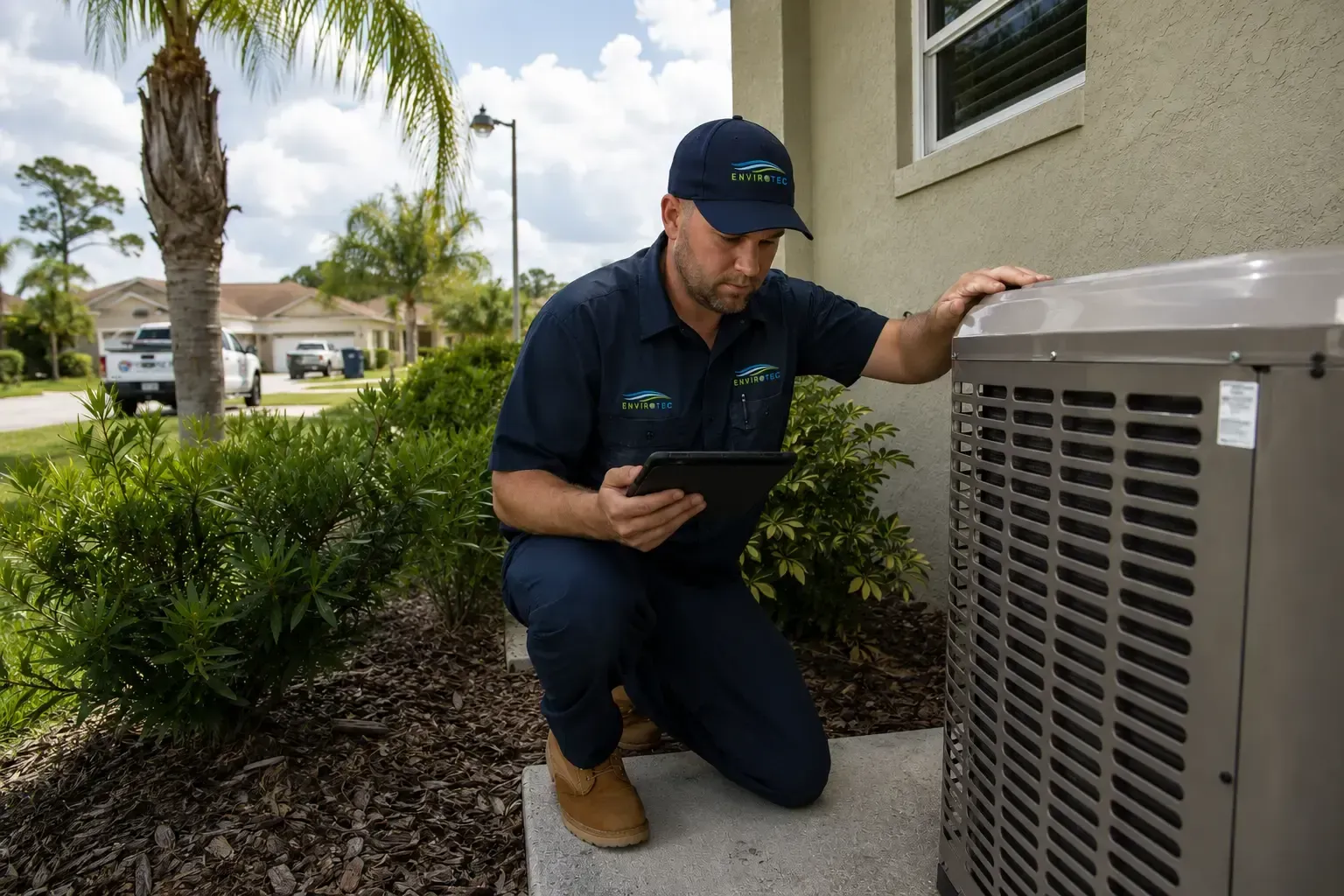
Second, keep the area around your outdoor condenser unit clear. Trim back bushes and pull weeds. Good airflow outside helps the entire system run more efficiently.
Third, consider installing an ultraviolet light inside your air handler. UV lights shine directly onto the evaporator coil. The specific light frequency destroys the DNA of mold and bacteria. This prevents organic growth entirely and stops Dirty Sock Syndrome from developing.
Finally, schedule seasonal checkups. A professional technician can spot small moisture problems before they turn into major mold issues. You can book a comprehensive preventative maintenance tune-up to keep your indoor air pristine.

Dealing With Chronic Mold and Odor Issues
Sometimes, a system is simply too old or neglected to save. If mold has deeply penetrated the internal foam insulation of the air handler, you cannot scrub it out. The odor will continually return no matter how many times you clean the coil.
In these severe cases, replacing the equipment is the safest choice for your indoor air quality. Modern systems feature better moisture management technology. They remove humidity far more effectively than units built ten years ago.
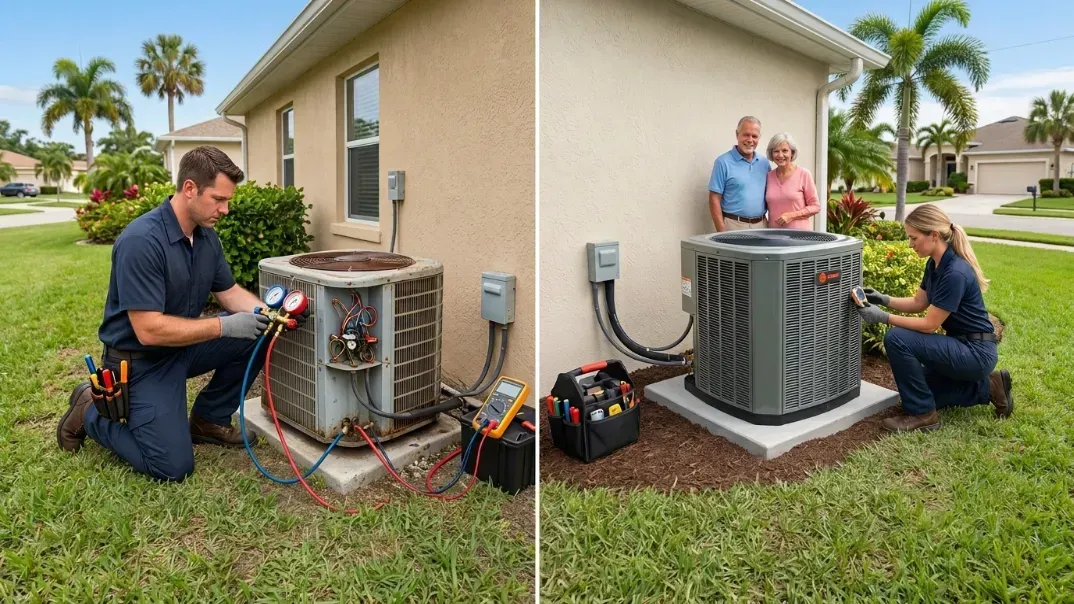
If your current setup is chronically damp and smelly, it might be time to replace old systems with a high-efficiency alternative.
Cooling Specialized Home Additions
Certain rooms in your house are prone to musty smells because they lack proper ventilation. Garages and new room additions often suffer from trapped humidity. Connecting these spaces to your central ductwork can sometimes unbalance your airflow and cause condensation problems.
Instead of straining your main equipment, ductless systems offer an excellent alternative. They control humidity perfectly in isolated spaces without requiring invasive ductwork. If you want to eliminate musty air in a tricky space, read about cooling specialized spaces to see if a mini-split is the right choice for you.
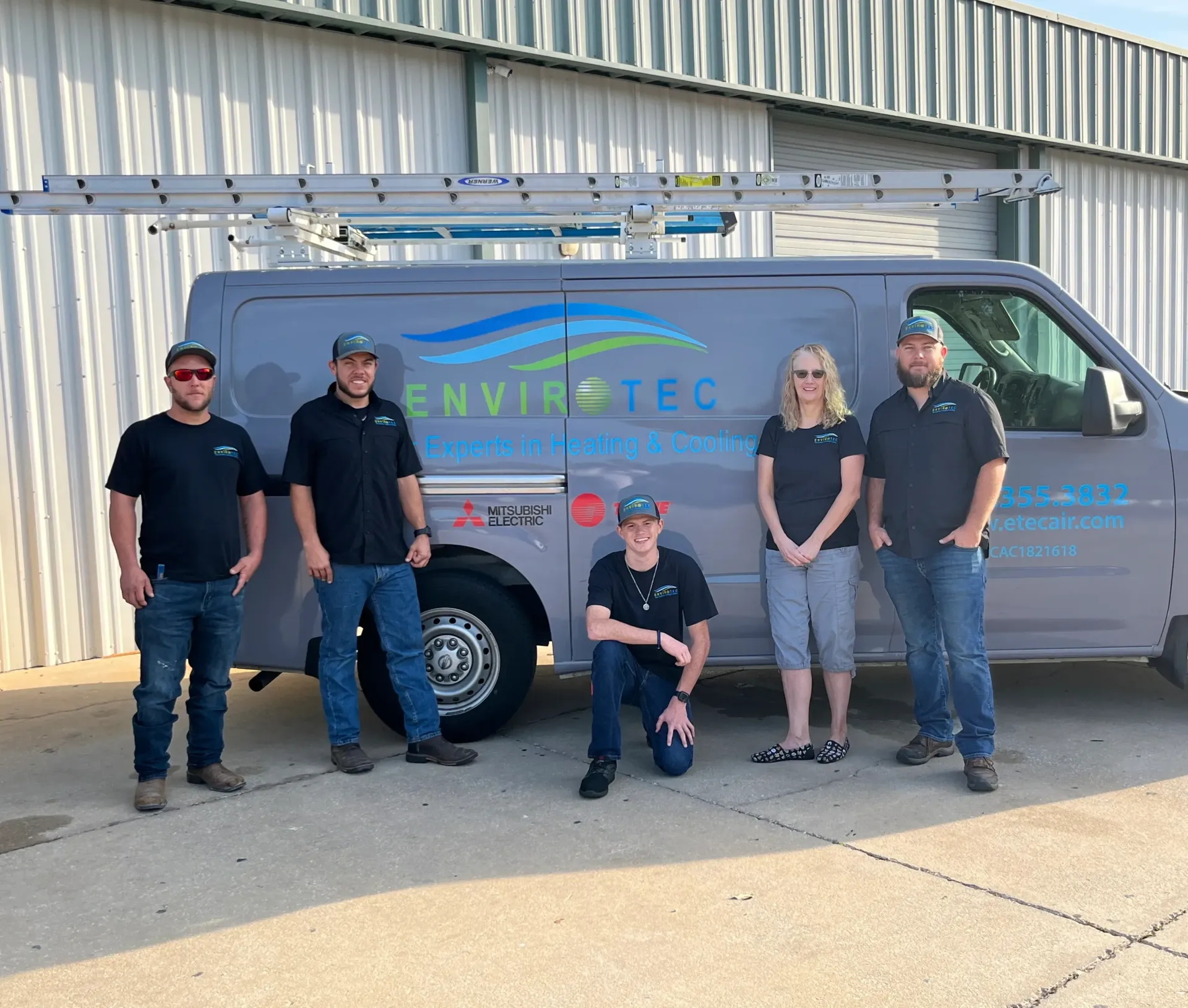
Trust the Local Experts at Envirotec Heating & Cooling
Living with a foul odor in your house is stressful. You deserve a comfortable and fresh environment. Our team understands the unique challenges of the Florida climate. We know exactly where mold hides and how to eradicate it safely.
We take pride in keeping our local community comfortable all year long. You can always learn more about our local team and our commitment to honest service.
If you need expert advice or immediate service, explore Envirotec Heating & Cooling to see all the ways we can improve your home.
Envirotec Heating & Cooling 2807 29th Ave E #6 Bradenton, FL 34208 941-355-3832
Do not let bad odors compromise your home comfort. Please reach out to us directly to schedule an inspection today.
Frequently Asked Questions
Is it safe to breathe air from a musty AC unit?
Breathing musty air for short periods is generally not life-threatening. However, prolonged exposure to mold spores and mildew can trigger allergies, asthma, and respiratory irritation. It is best to resolve the odor source as quickly as possible to protect your family's health.
Can I clean my evaporator coil myself?
We strongly advise against cleaning the evaporator coil yourself. The metal fins are extremely thin and bend easily. Using the wrong brush or harsh household chemicals can cause permanent damage or create refrigerant leaks. Always hire a professional for coil cleaning.
How often should my condensate drain line be flushed?
You should have your condensate drain line professionally flushed at least once a year during your annual maintenance visit. Pouring a cup of white vinegar down the access pipe every few months can help prevent severe clogs between service visits.