How Everyday AC Habits Could Be Inflating Your Power Bill

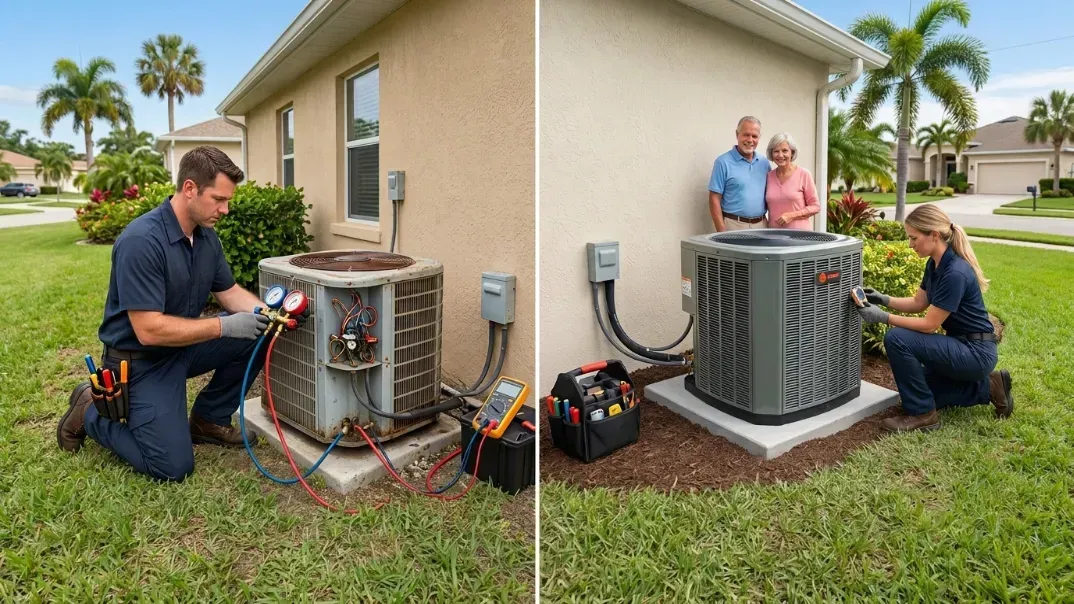
Envirotec Heating & Cooling Inc is a locally owned and operated HVAC company dedicated to providing exceptional heating and cooling solutions in Sarasota, Bradenton, and surrounding areas. Their team of skilled professionals is committed to ensuring year-round comfort for both residential and commercial clients
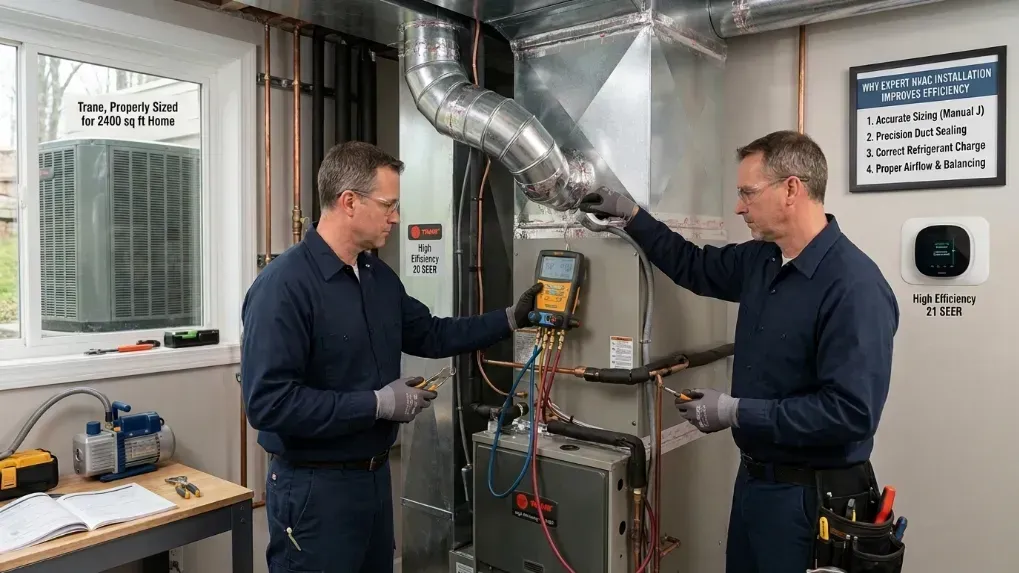
New Construction Installation of HVAC Systems: Envirotec specializes in designing and installing HVAC systems for new construction projects, ensuring optimal performance and energy efficiency from the start.
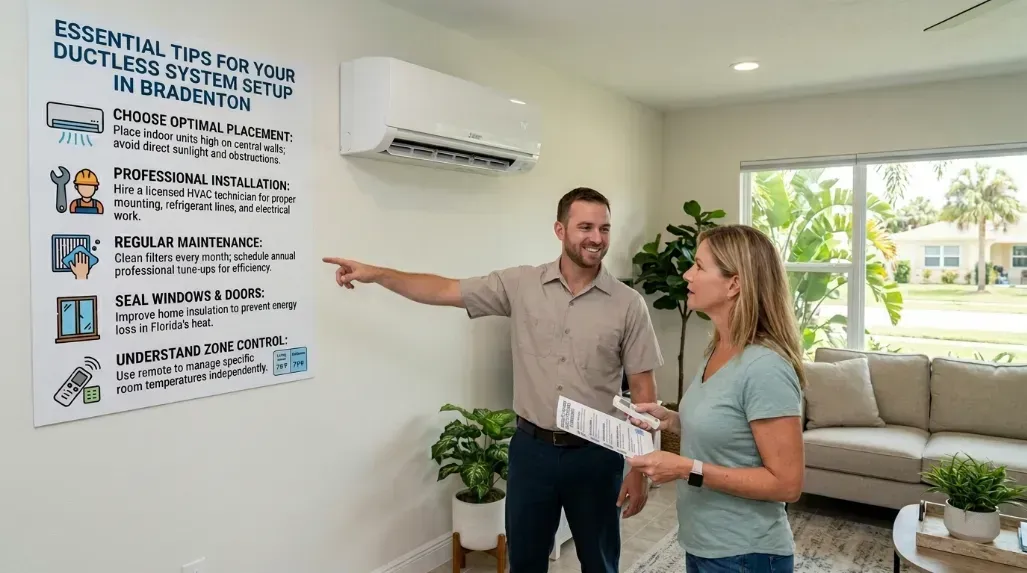
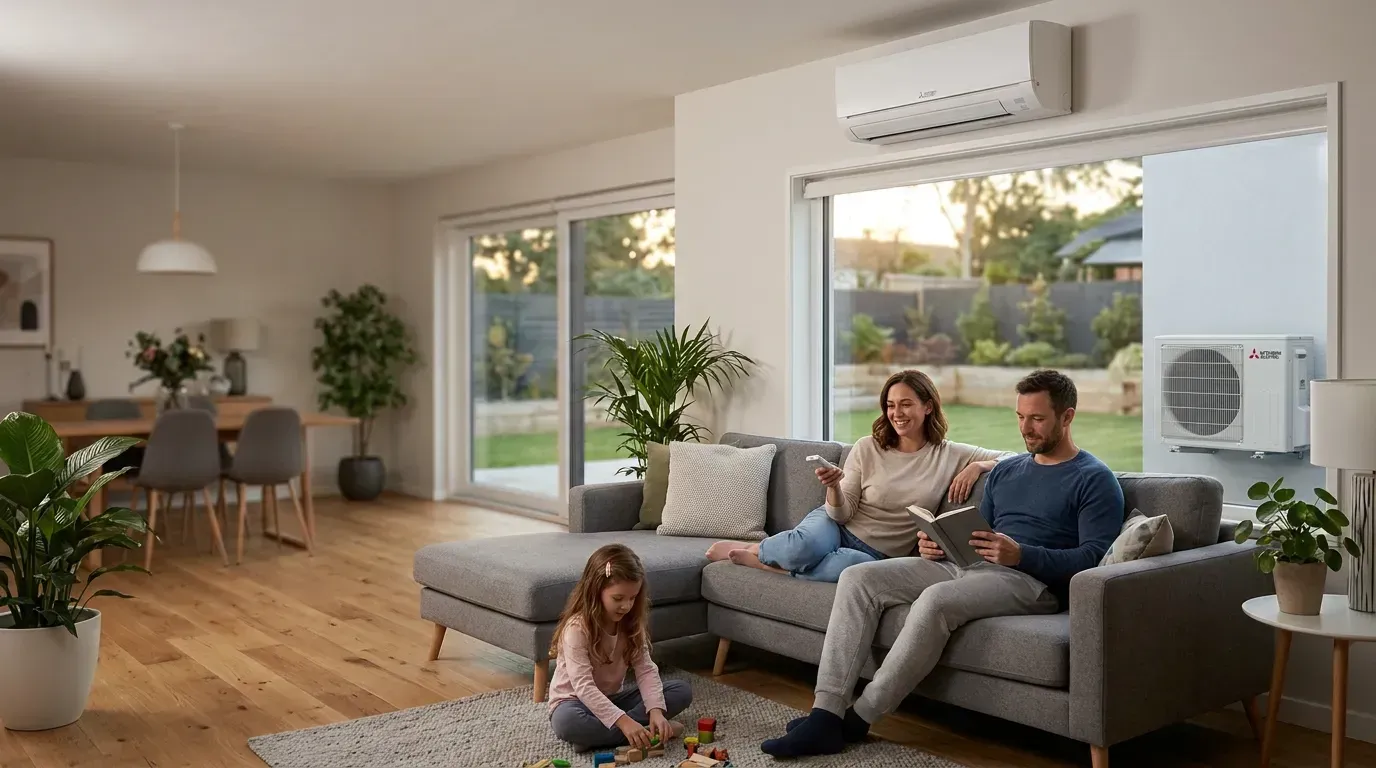
Mitsubishi Mini-Split Systems: They offer expert installation and maintenance of Mitsubishi mini-split systems, providing flexible and efficient heating and cooling solutions without the need for ductwork.
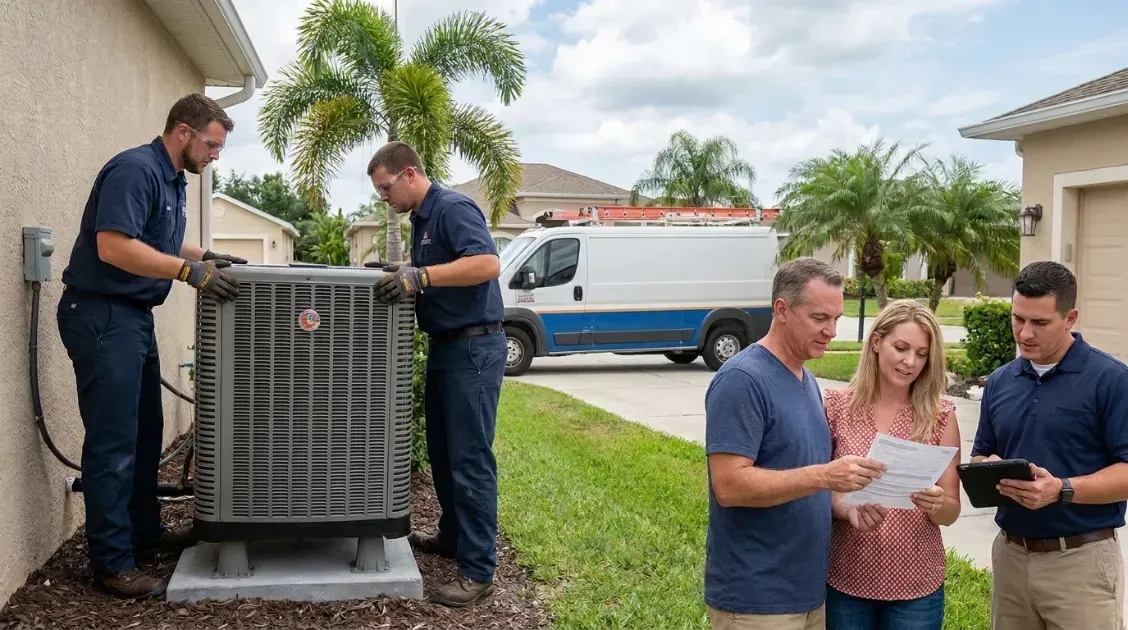
Change Out Old Systems: Envirotec specializes in replacing outdated HVAC systems with modern, energy-efficient units, improving home comfort and reducing energy costs.
Have you noticed your energy bills creeping up each month? Your air conditioner might be the culprit. Most homeowners don't realize that small, everyday habits can have a huge impact on how much power their AC uses. The good news? Making a few simple changes could save you hundreds of dollars each year.
In this guide, we'll explore the most common AC habits that waste energy and share practical tips to help you stay cool without breaking the bank. By the end, you'll know exactly what adjustments to make for a more efficient cooling system and lower monthly bills.
Understanding Your AC's Impact on Energy Consumption
Before we dive into specific habits, let's talk about just how much your air conditioner affects your electric bill.
How Air Conditioners Affect Your Monthly Bills
Did you know that cooling typically accounts for about 40-50% of summer energy bills in most homes? Your air conditioner is usually the biggest energy hog in your house during hot months. A standard central AC unit uses about 3,500 watts when running, which can add up to $75-$150 per month in electricity costs during peak summer.
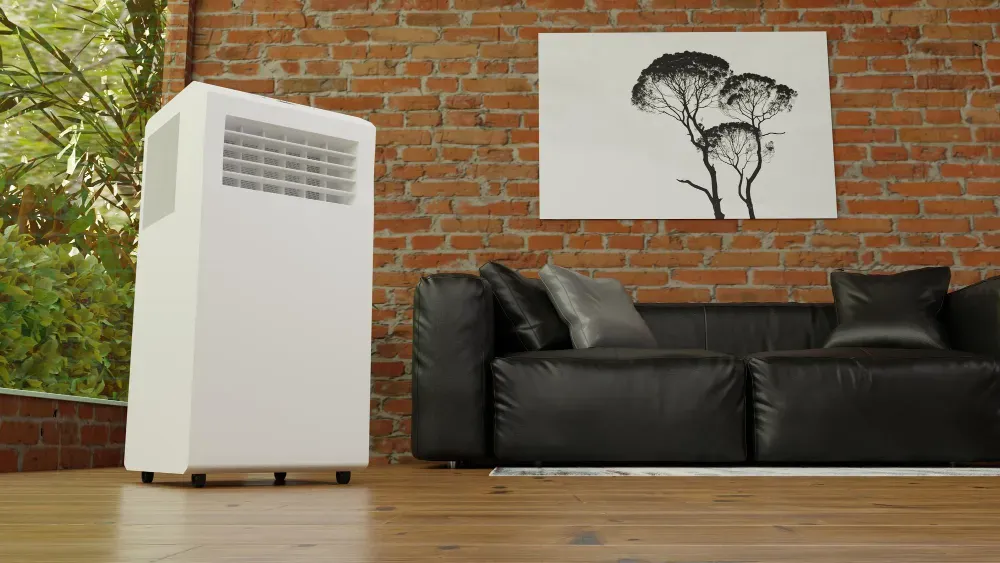
Even a small window unit can add $30-$80 to your monthly bill if used regularly. Understanding this impact is the first step toward making smarter cooling choices.
The Real Cost of Running Your AC 24/7
Many people leave their air conditioners running all day, every day during summer. This habit alone can inflate your energy bill by 30-40%!
Running your AC constantly forces it to work harder than necessary, especially during the hottest parts of the day when electricity rates may be higher. Your system uses the most energy during startup, but keeping it running non-stop isn't the answer either. Finding the right balance is key to energy efficiency.
Common AC Habits That Waste Energy
Let's look at some everyday habits that might be costing you money without you even realizing it.
Setting Your Thermostat Too Low
One of the biggest energy wasters is setting your thermostat too low. Many people think that setting the temperature extra low will cool their home faster, but that's not how air conditioners work!
Your AC cools at the same rate regardless of the temperature setting. Setting it to 68°F instead of 78°F won't cool your home any quicker – it will just keep running longer and use more energy. For every degree below 78°F, you increase your cooling costs by about 3-5%.
The Department of Energy recommends keeping your thermostat at 78°F when you're home and need cooling. This temperature balances comfort with energy efficiency for most people.
Neglecting Regular Filter Changes
When was the last time you changed your AC filter? If you can't remember, you're probably wasting money right now.
Dirty filters block airflow, forcing your system to work harder to circulate air throughout your home. This extra strain means higher energy consumption and bigger bills.
How Dirty Filters Strain Your System
A clogged filter can reduce your AC's efficiency by up to 15%! The restricted airflow makes your system run longer cycles to reach the desired temperature, using more electricity in the process.
Plus, dirty filters can lead to frozen coils, system breakdowns, and poor indoor air quality. Make a habit of checking your filter monthly and changing it every 1-3 months, depending on factors like pets, allergies, and general dust levels in your home.
Blocking Air Vents With Furniture
Take a quick look around your home. Are any of your air vents blocked by furniture, curtains, or decorations? This common oversight forces your AC to work harder than necessary.
When vents are blocked, conditioned air can't circulate properly throughout your home. Your system will run longer trying to reach your desired temperature, while some rooms stay too warm and others get too cold.
Rearranging furniture to ensure at least 18 inches of clearance around all vents can improve airflow and efficiency, leading to better cooling performance and lower energy usage.
Hidden HVAC Mistakes Costing You Money
Beyond everyday habits, there are several less obvious mistakes that could be inflating your cooling costs.
Ignoring Annual Maintenance Checks
Many homeowners skip yearly AC tune-ups to save money, but this short-term thinking leads to higher costs in the long run.
Without regular professional maintenance, your air conditioner's efficiency drops about 5% each year. A system that's neglected for several years might be using 15-20% more energy than a well-maintained one.
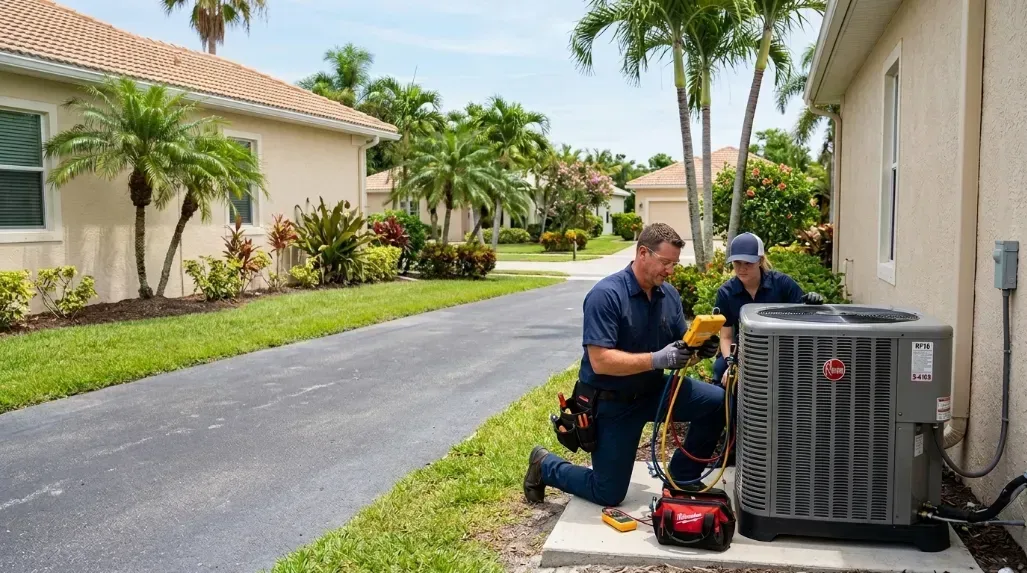
Professional maintenance includes cleaning coils, checking refrigerant levels, lubricating moving parts, and ensuring optimal operation. This service typically costs $80-$150 but can save you much more through improved efficiency and by preventing expensive breakdowns.
Running Your AC When Nobody's Home
Do you cool an empty house? This habit wastes significant energy and money. There's no benefit to keeping your home perfectly comfortable when nobody's there to enjoy it.
During an 8-hour workday, you could save 5-10% on cooling costs by adjusting your thermostat 7-10 degrees higher when you're away. A programmable or smart thermostat makes this adjustment automatic and can even start cooling your home shortly before you return.
Failing to Use Ceiling Fans as Support
Many people see ceiling fans as alternatives to air conditioning rather than partners in efficient cooling.
Ceiling fans don't actually lower the temperature in a room, but they create a wind-chill effect that makes you feel cooler. Using ceiling fans alongside your AC allows you to raise your thermostat setting by about 4 degrees without any loss in comfort.
This simple change can cut your cooling costs by up to 30% during summer months! Just remember to turn off fans when you leave the room, as they cool people, not spaces.
Smart Cooling Strategies to Reduce Energy Costs
Now that we've covered what not to do, let's focus on smart strategies that can help you save money while staying comfortable.
The Ideal Thermostat Settings for Energy Efficiency
Finding the right temperature balance is crucial for energy savings. As mentioned earlier, 78°F is generally recommended when you're home and need cooling. But you can adapt this based on your comfort needs and schedule.
Each degree higher on your thermostat setting can save you approximately 3-5% on cooling costs. Experiment to find the highest temperature that still feels comfortable for your household. Some people find that 76-80°F works well, especially with ceiling fans running.
Programming Your Thermostat for Maximum Savings
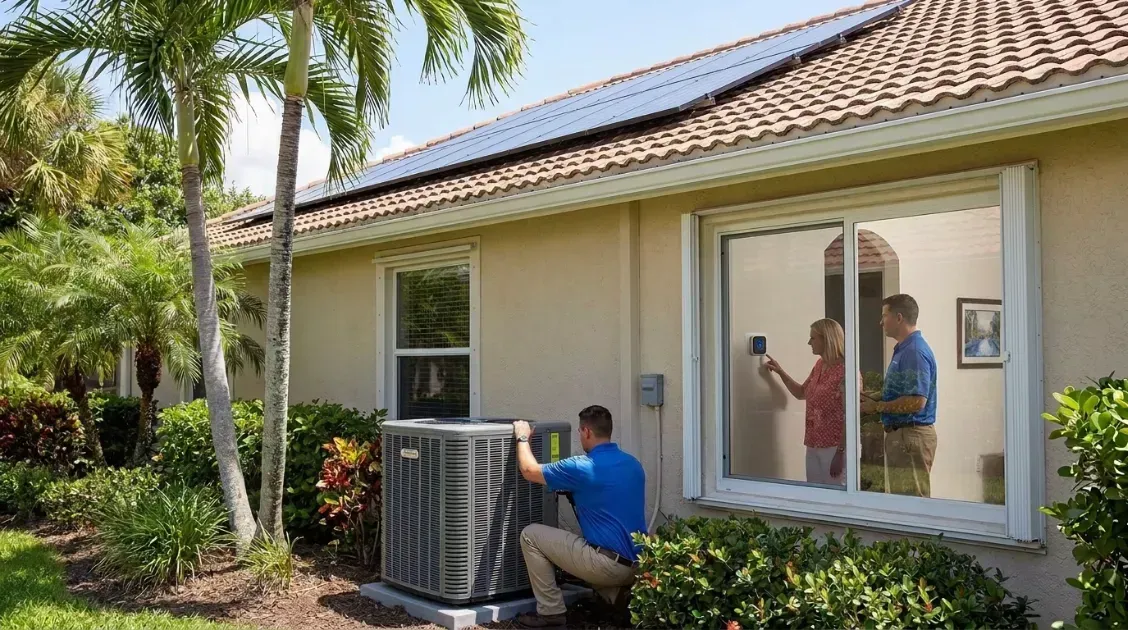
If you haven't invested in a programmable or smart thermostat yet, you're missing out on one of the easiest ways to save on cooling costs.
These devices allow you to create automated temperature schedules that adjust based on your routine. You can set different temperatures for when you're sleeping, at work, or relaxing at home – all without having to remember to adjust the thermostat manually.
Nighttime and Away-from-Home Settings
For optimal savings, try these recommended settings:
- When home and awake: 78°F
- When sleeping: 82°F (our bodies naturally need less cooling during sleep)
- When away from home: 85°F (no need to cool an empty house)
Using these settings with a programmable thermostat can reduce your cooling costs by 10-15% annually. That's a savings of $150-$300 per year for many households!
Simple Home Adjustments That Improve AC Efficiency
Your air conditioner doesn't work in isolation. Your home's condition plays a major role in how hard your AC needs to work.
Sealing Leaks and Improving Insulation
Cool air can escape through tiny cracks around windows, doors, and ducts, forcing your AC to run longer. Sealing these leaks with weatherstripping or caulk is an inexpensive project that can reduce cooling costs by 10-20%.
Check for drafts around:
- Windows and door frames
- Electrical outlets on exterior walls
- Areas where pipes or wires enter your home
- Attic hatches and basement doors
Proper insulation is equally important. Up to 25% of your cool air can escape through the roof if your attic isn't properly insulated. Adding or upgrading insulation can make a dramatic difference in your energy bills year-round.
Using Window Treatments to Block Heat
Did you know that about 30% of unwanted heat enters through your windows? Using blinds, curtains, or window films can significantly reduce this heat gain.
Light-colored curtains can reflect heat away from your home. Cellular or honeycomb shades can reduce heat transfer through windows by up to 80%. Even closing blinds during the hottest part of the day can lower indoor temperatures by 5-10 degrees, reducing the workload on your AC.
Creating Cross-Ventilation in Your Home
On milder days, you might not need your AC at all. Creating good cross-ventilation by strategically opening windows can bring in cool breezes and flush out hot air.
The best approach is to open windows on opposite sides of your home. If possible, open lower windows on the cooler, shaded side of your house and upper windows on the warmer side. This creates a natural chimney effect that draws in cool air and pushes out warm air.
Using this technique during cooler mornings and evenings can reduce your AC use by several hours each day during mild weather, leading to significant energy savings.
When to Upgrade Your AC System
Sometimes the best way to save money is to invest in a new, more efficient system – especially if your current unit is over 10-15 years old.
Signs Your Current System Is Energy Inefficient
Watch for these warning signs that your AC is wasting energy:
- Energy bills that are much higher than neighbors with similar homes
- Frequent cycling on and off
- Uneven cooling throughout your home
- Excessive noise during operation
- The need for frequent repairs
If your system shows these symptoms, it might be time to consider an upgrade. While a new AC represents a significant upfront cost, the energy savings can pay back the investment within a few years.
Understanding SEER Ratings When Shopping
When shopping for a new air conditioner, pay close attention to the SEER (Seasonal Energy Efficiency Ratio) rating. This number tells you how efficiently the system uses electricity.
Older systems typically have SEER ratings of 8-10, while modern units start at 13-14 SEER and can go up to 25+ SEER for the most efficient models. The higher the SEER rating, the lower your energy costs will be.
Upgrading from a 10 SEER to a 16 SEER unit can reduce your cooling costs by up to 40%! While higher SEER units cost more upfront, the energy savings make them much cheaper to own over their lifetime.
Conclusion and Action Steps
Your everyday AC habits have a bigger impact on your energy bills than you might think. By making simple adjustments to how you use and maintain your cooling system, you can enjoy significant savings without sacrificing comfort.
Start with these quick wins:
- Set your thermostat to 78°F when home and higher when away
- Change your air filters regularly – mark it on your calendar
- Use ceiling fans to enhance cooling effect
- Keep vents unblocked and clean
- Schedule a professional maintenance check if you haven't had one in the past year
For bigger savings, consider these investments:
- Install a programmable or smart thermostat
- Seal leaks around windows and doors
- Add insulation where needed
- Upgrade to a higher-efficiency AC system if yours is aging or inefficient
Remember, the most energy-efficient AC habits are the ones you can maintain consistently. Even small changes add up to big savings over time. Your wallet – and the environment – will thank you for making smarter cooling choices.