How Coastal Air and Humidity Affect HVAC Systems
Living in coastal Bradenton provides beautiful weather, but the salty air and high humidity constantly attack your air conditioning system. Regular professional maintenance and proper system selection are essential to prevent rapid galvanic corrosion and mold growth.
- Salt causes galvanic corrosion that rapidly destroys aluminum and copper coils.
- Extreme coastal humidity forces AC units to work harder, increasing energy bills.
- Bi-annual professional maintenance extends the lifespan of your cooling equipment.
Living near the Gulf Coast is a dream for many Florida homeowners. The ocean breeze keeps temperatures pleasant during the intense summer heat. Beautiful ocean views make Bradenton an incredible place to reside. However, that same beautiful coastal climate carries invisible threats to your home.
Air conditioners in coastal regions face a completely different environment than inland systems. They must battle a constant barrage of airborne salt. They also fight against extreme levels of moisture. This unique combination forces your cooling equipment to work incredibly hard.
Homeowners often wonder why their air conditioners fail earlier than expected. The answer lies in the atmosphere. Salt accelerates rust and decay. High humidity forces the system to run longer cycles. Together, these factors drastically reduce the lifespan of standard cooling equipment.
Protecting your comfort requires a proactive approach. Understanding how the coastal environment damages your equipment is the first step. You can then take action to protect your investment. Envirotec Heating & Cooling is dedicated to helping local homeowners keep their systems running efficiently. We understand the specific challenges of the Bradenton climate.
How Salt Air Causes Galvanic Corrosion
The salty air from the Gulf of Mexico is highly corrosive. Ocean winds pick up microscopic salt particles and carry them inland. These particles settle on everything outside your home. Your outdoor air conditioning unit is highly vulnerable to this salty blanket.
Salt is a natural conductor of electricity. When salt mixes with the moisture in the humid air, it creates a highly reactive electrolyte solution. This solution attacks the metal components of your condenser. The reaction triggers a process known as galvanic corrosion.
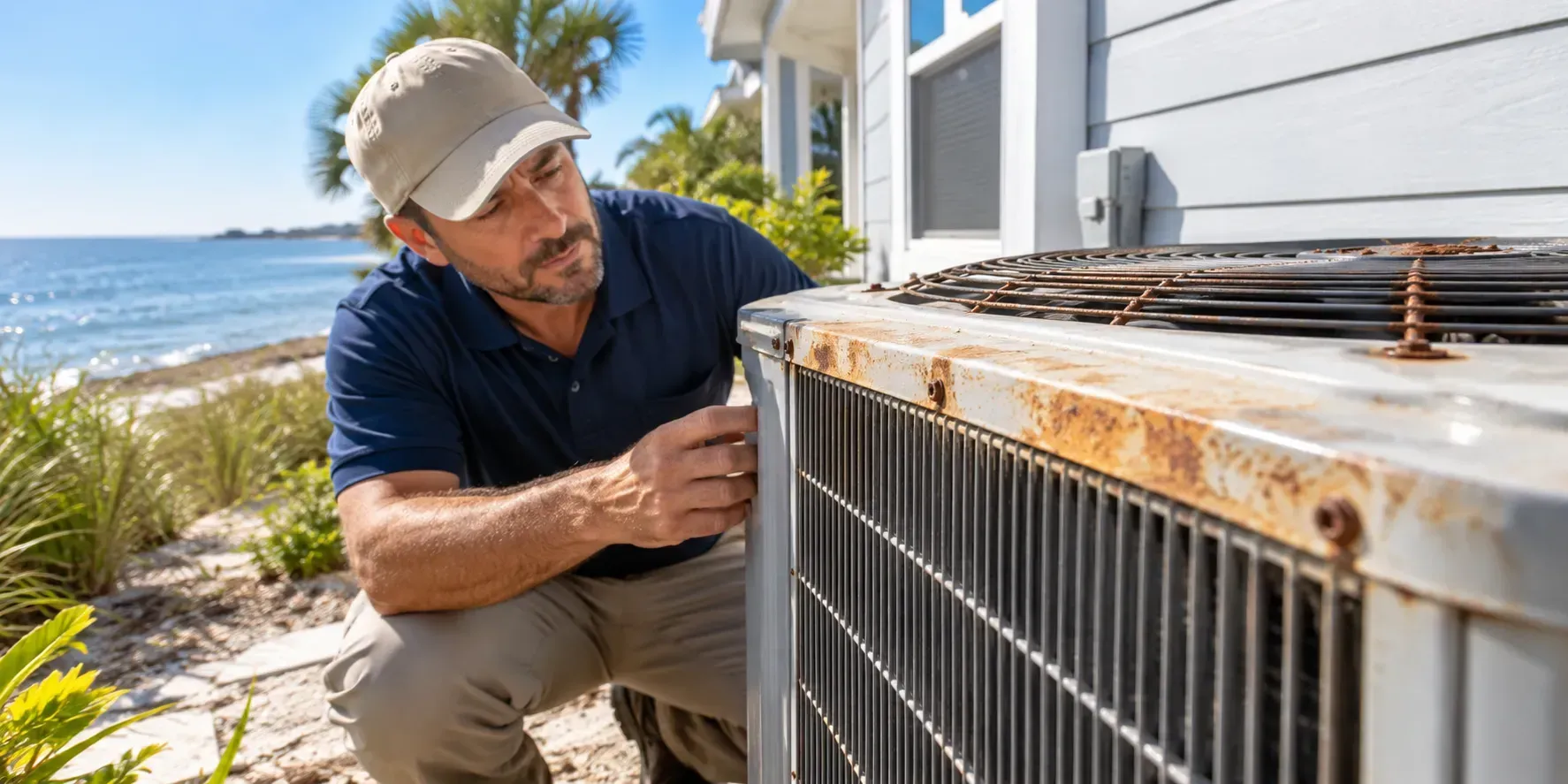
Your outdoor condenser contains coils made of copper and aluminum. These two distinct metals react aggressively when exposed to saltwater. The aluminum fins begin to deteriorate and crumble. This breakdown restricts airflow through the system.
As the corrosion worsens, the copper tubing becomes pitted and weak. Pitted copper tubes eventually develop tiny holes. These holes allow vital chemical refrigerant to leak into the atmosphere. A refrigerant leak stops your air conditioner from cooling your home entirely.
Standard air conditioners are simply not built to withstand constant salt exposure. Without proper care, a new system can show severe rust in just a few years. Regular cleaning and protective coatings are necessary to slow down this chemical decay.
The Heavy Burden of High Coastal Humidity
Florida is famous for its intense humidity. Coastal areas experience even higher moisture levels than landlocked cities. Your air conditioner does much more than lower the temperature. It acts as a massive dehumidifier for your entire house.
Warm air holds a massive amount of water vapor. When your air conditioner pulls warm air over the cold evaporator coil, the moisture condenses into liquid water. This water drips into a drain pan and flows safely outside.
In a highly humid climate like Bradenton, the system extracts gallons of water every single day. This constant moisture extraction puts heavy stress on the equipment. The compressor must run for longer periods to properly condition the indoor air. Longer running cycles lead to higher utility bills and faster mechanical wear.
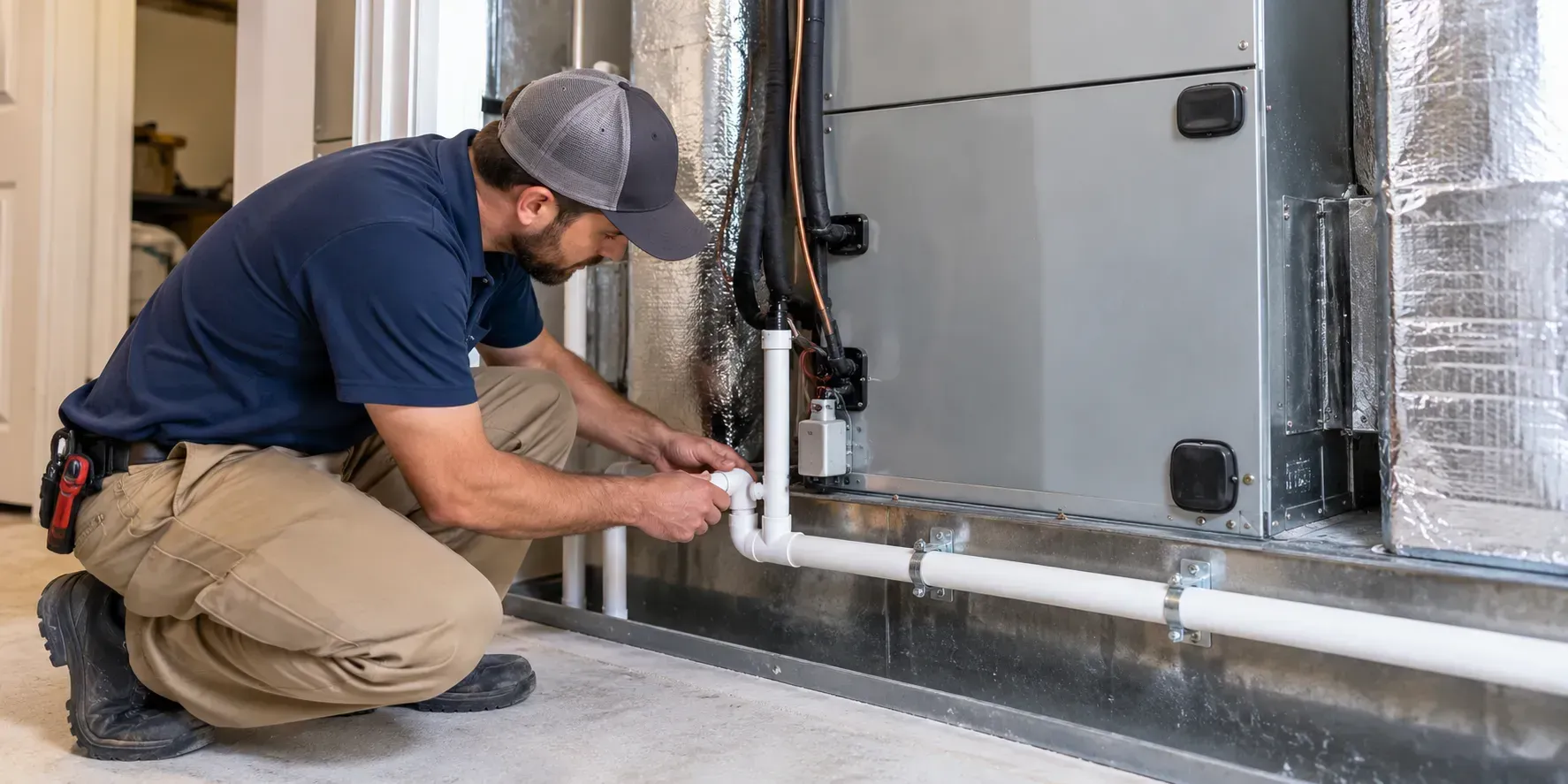
High moisture levels also create secondary problems inside the system. The dark and damp environment inside your air handler is perfect for organic growth. Algae, mold, and mildew thrive in these wet conditions.
If algae grows in your condensate drain line, it will create a stubborn clog. A clogged drain line causes water to back up and overflow. This overflow can cause severe water damage to your ceilings, floors, and drywall. Managing humidity is critical for protecting both your home and your health.
How Sand and Debris Restrict Airflow
Salt and humidity get the most attention in coastal climates. However, airborne sand and debris also pose a massive threat to your cooling system. Coastal winds constantly blow fine sand across your property.
Your outdoor unit relies on a large fan to pull air through the condenser coils. This airflow removes heat from the refrigerant. As the fan pulls air, it also pulls in loose sand, dirt, and organic debris.
Sand particles act like tiny pieces of sandpaper. They constantly grind against the fan blades and internal components. Over time, this friction can damage moving parts and ruin the fan motor bearings.
Furthermore, sand and dirt pack tightly into the narrow spaces between the aluminum coil fins. This dirt creates a thick insulating blanket over the coils. The system can no longer release heat efficiently into the outside air.
When airflow is restricted, the compressor must work twice as hard to cool your home. The system draws more electricity to achieve the same result. Eventually, the compressor can overheat and fail completely. Keeping the coils free of sand and dirt is absolutely vital for coastal homeowners.
The Importance of Routine HVAC Maintenance Bradenton
Ignoring your air conditioning system is a costly mistake. The harsh coastal environment demands consistent professional attention. Routine care is the only reliable way to combat salt, humidity, and sand.
Investing in regular HVAC maintenance Bradenton offers massive financial benefits. A clean system uses far less electricity. A well-maintained system also requires fewer emergency repairs. Most importantly, professional care adds years to the lifespan of your equipment.
Coastal Environment System Stress Comparison
| Environmental Factor | Effect on Inland HVAC Systems | Effect on Coastal HVAC Systems | Recommended Action |
|---|---|---|---|
| Airborne Salt | Minimal to no impact on metals. | Severe galvanic corrosion and pitting. | Apply coastal coatings and wash coils regularly. |
| High Humidity | Moderate moisture extraction load. | Extreme load causing long cooling cycles. | Clear condensate drains and check refrigerant levels. |
| Sand and Wind | Occasional leaves and grass clippings. | Fine sand packs tightly into condenser coils. | Schedule deep chemical coil cleanings annually. |
| Sun Exposure | Fades paint on the outer cabinet. | Degrades wire insulation and plastic parts. | Inspect electrical connections and wiring harnesses. |
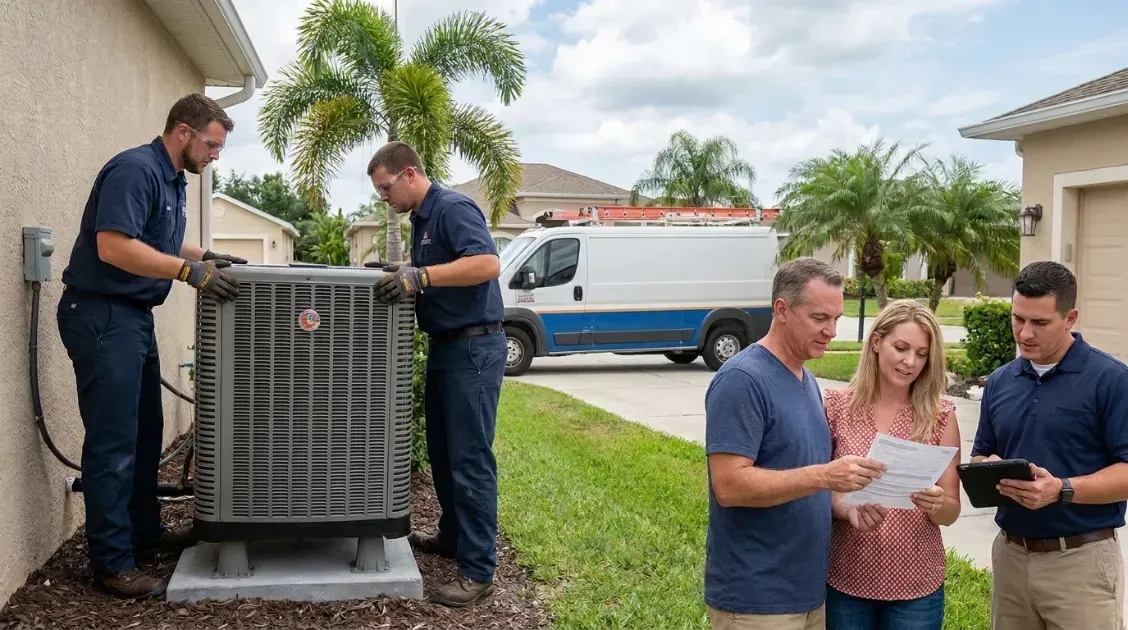
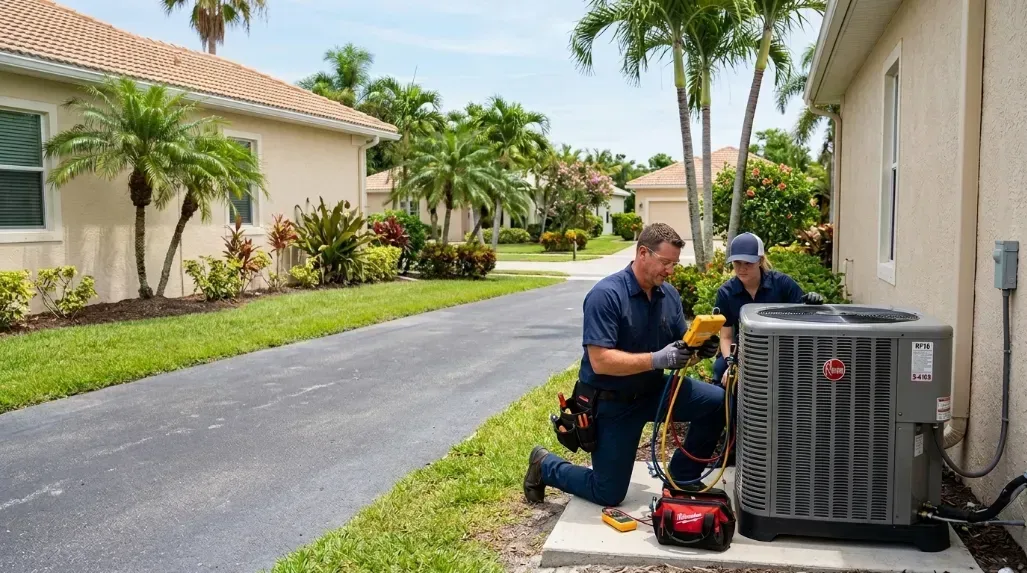
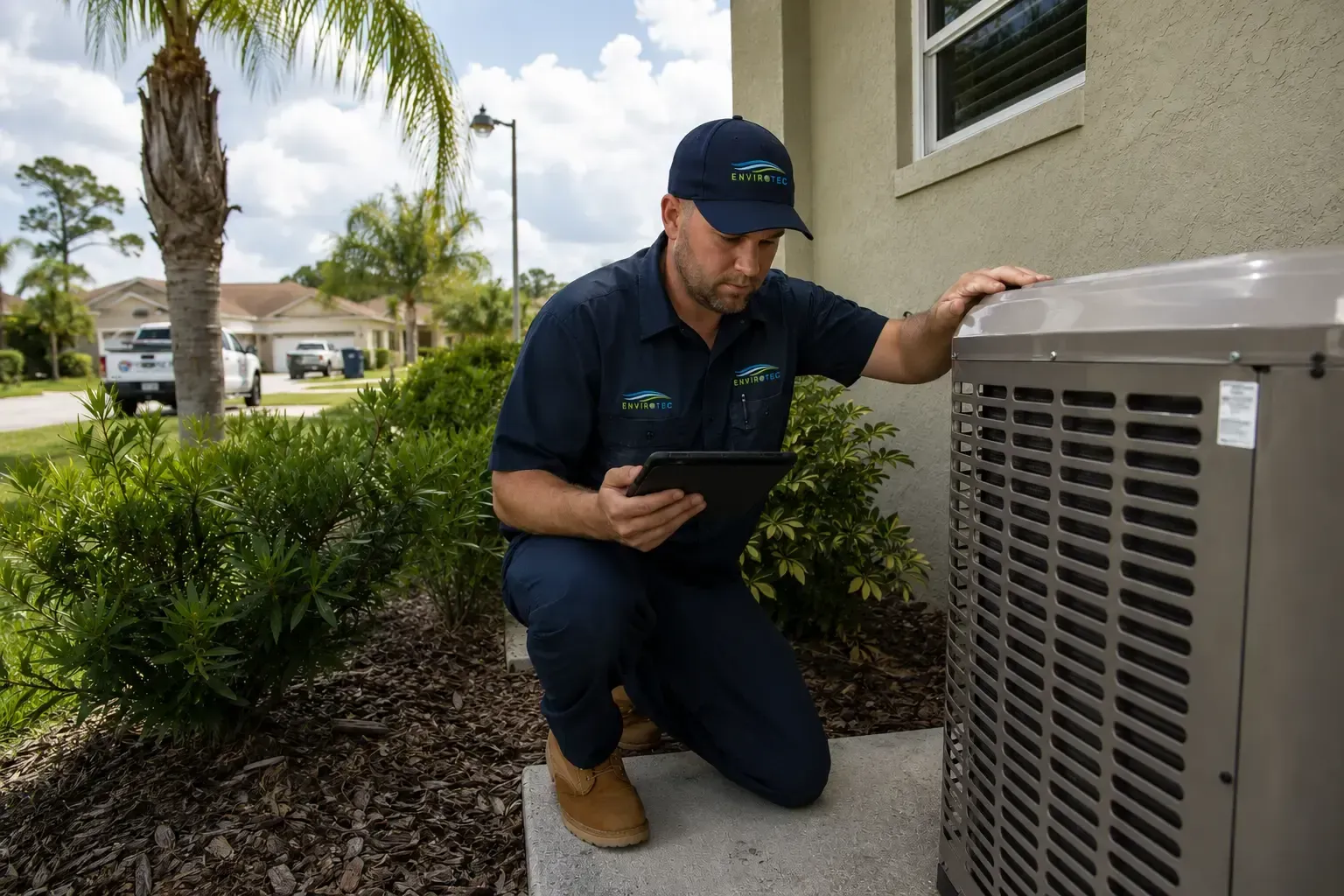
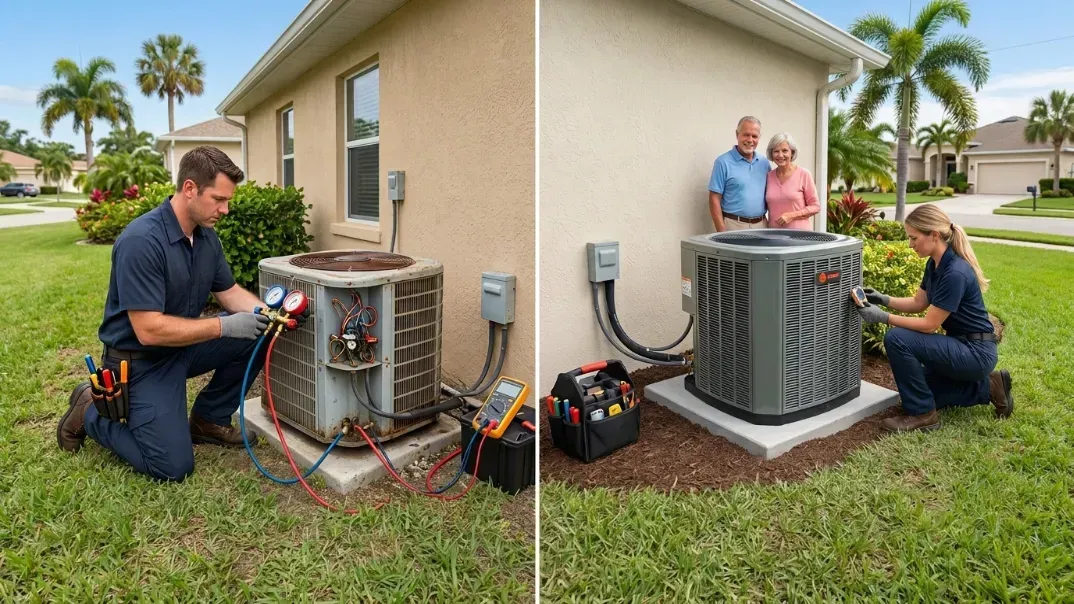
During a professional service visit, technicians perform several vital tasks. They use specialized chemicals to wash the salt and sand off your outdoor coils. They flush the indoor condensate drain line to prevent dangerous water backups. They also measure electrical voltage and inspect the fan motor.
We highly recommend scheduling professional maintenance twice a year in coastal zones. A spring visit prepares the system for the brutal summer heat. A fall visit ensures the system recovers from the long cooling season. You can learn more about our comprehensive precision tune-up and preventative maintenance program on our website.
When to Repair or Replace Your Coastal System
Every air conditioner will eventually reach the end of its useful life. The harsh coastal weather accelerates this timeline. It is important to recognize the signs of a failing system before it breaks down completely.
The most obvious sign of failure is excessive rust. Inspect the outer cabinet of your condenser. If the metal grilles are crumbling, the internal components are likely failing too. You should also listen for strange noises. Grinding or squealing sounds often indicate a failing motor or a struggling compressor.
Frequent breakdowns are another major warning sign. If you find yourself calling for repairs multiple times a year, your system is failing. Spending money on constant repairs is a poor financial strategy. Those repair funds are better spent on a new, energy-efficient model.
Spiking energy bills indicate a loss of efficiency. As salt and dirt degrade the coils, the system uses more power to cool the house. A new unit will drastically lower your monthly electricity costs.
If your system is showing severe salt damage, it might be time for an upgrade. Our team can evaluate your equipment and offer honest advice. We specialize in safely replacing your older coastal HVAC system with modern equipment.
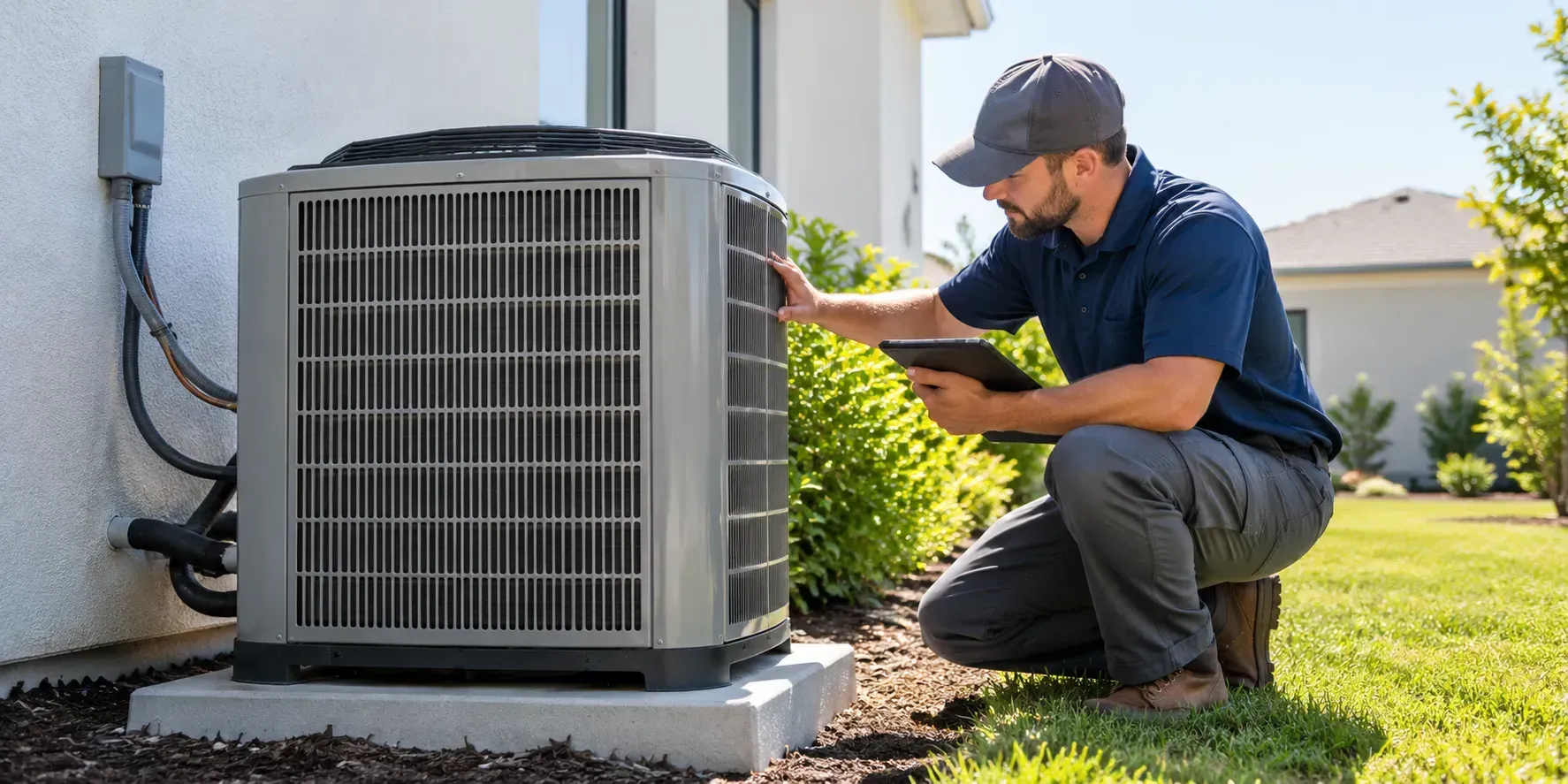
Choosing the Right Equipment for Gulf Coast Living
Buying a new air conditioner requires careful consideration. You cannot simply buy the cheapest unit and expect it to last. Coastal homeowners must select equipment built specifically for harsh environments.
Look for systems that feature advanced anti-corrosion technology. Many modern units use all-aluminum coils to eliminate the risk of galvanic corrosion. These specialized coils resist salt damage far better than traditional copper systems.
You should also look for units with specialized coastal coatings. These factory-applied coatings protect the internal metal parts from salt and moisture. A high-quality coating can double the lifespan of an outdoor condenser in Bradenton.
Variable-speed compressors are also excellent for coastal homes. These advanced systems run at lower speeds for longer periods. This allows them to extract maximum humidity from the indoor air. The result is a much more comfortable and dry home.
We offer a variety of new air conditioner installation options to fit your specific budget. Our experts will help you select the perfect system to handle the Florida heat.
Protecting Your Investment with Local Experts
Battling the coastal elements requires a knowledgeable partner. You need a team that understands local weather patterns. You need technicians who know how to protect equipment from salt and sand.
Envirotec Heating & Cooling has proudly served the Bradenton community for years. As your dedicated local cooling experts, we provide honest advice and exceptional workmanship. We offer a full range of air conditioning services designed specifically for Florida residents.
If your air conditioner is struggling to keep you comfortable, do not wait for a total breakdown. Reach out to us today. You can contact our Bradenton team to schedule an inspection.
Envirotec Heating & Cooling 2807 29th Ave E #6 Bradenton, FL 941-355-3832
Frequently Asked Questions
How often should I schedule HVAC maintenance in Bradenton?
Coastal homeowners should schedule professional maintenance at least twice a year. The high salt content and extreme humidity cause rapid wear and tear. Regular cleanings remove corrosive salt and prevent expensive breakdowns.
Can I protect my outdoor AC unit from salt air?
Yes. You can protect your unit by gently rinsing the exterior with a garden hose to remove loose salt. However, you should also rely on professional technicians to apply specialized anti-corrosion coatings and perform deep chemical cleanings.
What are the early signs of humidity damage in my system?
Early signs include a musty odor coming from your air vents. You might also notice poor airflow or a home that feels clammy even when the AC is running. Puddles of water near your indoor air handler strongly indicate a clogged condensate drain line.