Tired of Sky-High Energy Bills? How a New HVAC System Saves You Money
Living and working in Bradenton, Florida, requires a highly dependable climate control system. The intense heat and relentless humidity of the Gulf Coast demand hardware that performs optimally throughout the entire year. When existing equipment begins to fail or a new property requires an initial setup, the new installation of HVAC systems becomes a critical priority. Hvac Contractors Bradenton provides specialized solutions designed directly for the unique environmental pressures of this region. Upgrading a residential property in Lakewood Ranch or outfitting a commercial space in Sarasota requires a precisely calculated approach to cooling.
The process goes far beyond simply swapping out a metal box. It requires a comprehensive understanding of thermodynamics, airflow dynamics, and the specific structural requirements of the building in question.
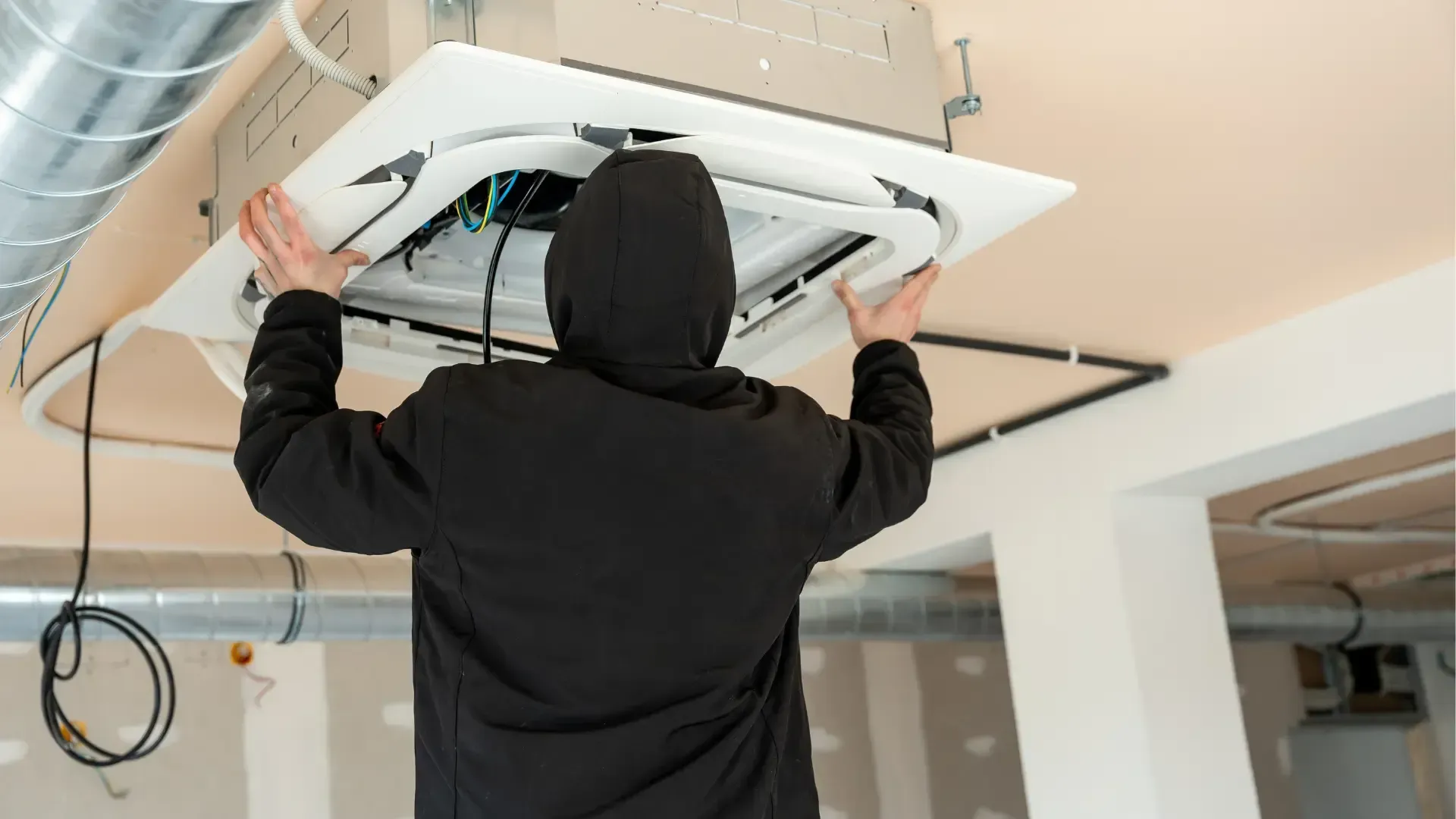
Why the Quality of Your Hvac installation Service Matters
Many property owners assume that purchasing a premium brand of air conditioning equipment guarantees superior performance. The reality is quite different. The overall efficiency, longevity, and reliability of your cooling equipment depend almost entirely on the quality of the Hvac installation Service you receive. A top-tier unit installed poorly will struggle to cool the space, consume excessive amounts of electricity, and suffer from premature mechanical failures.
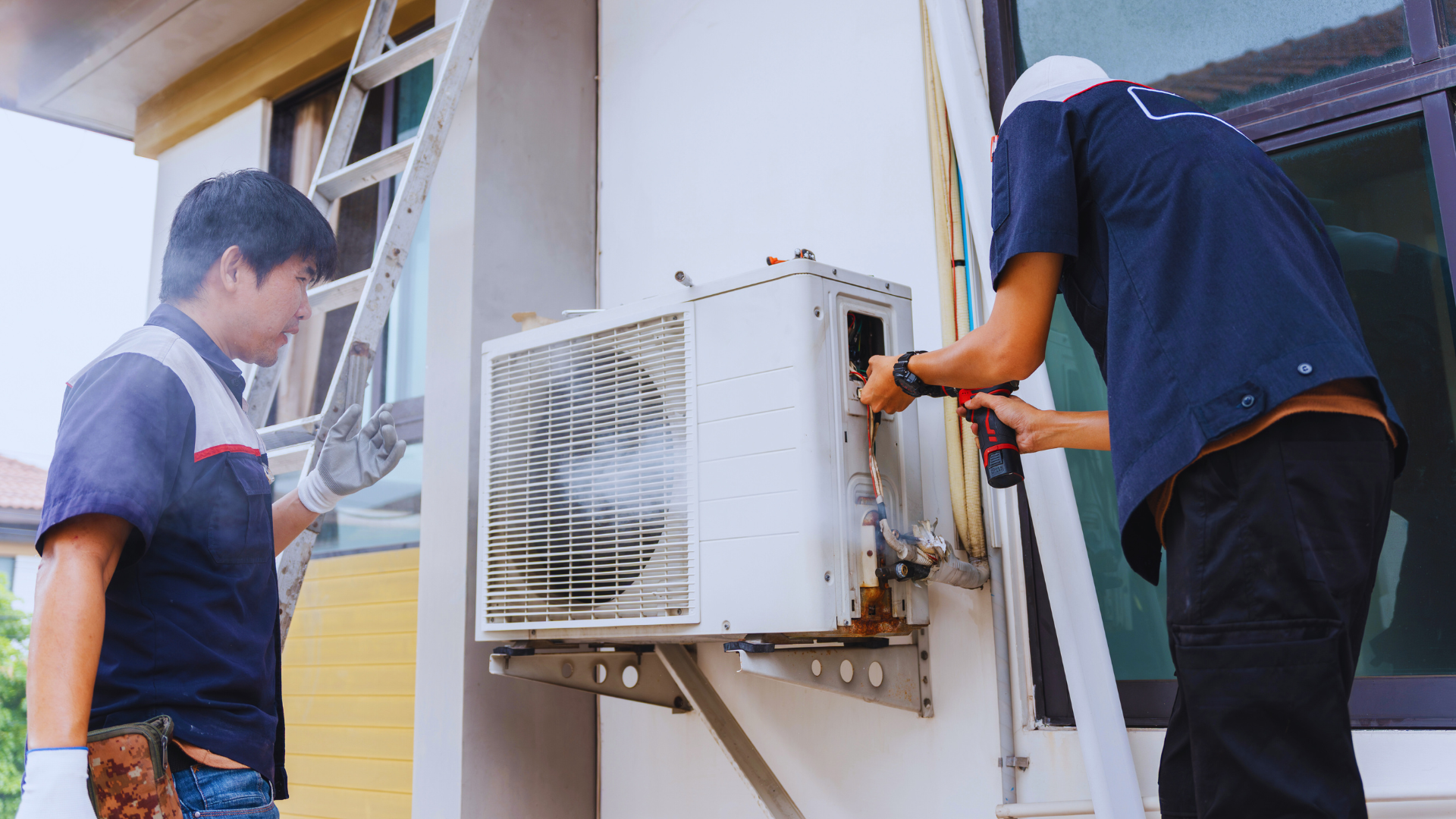
Proper execution ensures that the equipment operates exactly within the manufacturer specifications. This includes verifying accurate refrigerant charges, ensuring proper electrical connections, and confirming that the ductwork can handle the specific volume of air produced by the air handler. For homeowners and business owners alike, investing in meticulous craftsmanship upfront eliminates the frustration of frequent emergency AC repairs during the hottest months of the summer.
Customized Climate Solutions for Diverse Property Types
The cooling requirements for a single family home differ vastly from those of a bustling retail store or a newly constructed apartment complex. Selecting the appropriate machinery requires a detailed analysis of how the space will be utilized.
Residential Focus for Florida Homeowners
Families residing in Bradenton, Sarasota, Lakewood Ranch, and Venice require systems that prioritize quiet operation, strict humidity control, and high energy efficiency.
Middle-income and upper middle income households often seek solutions that provide consistent comfort while keeping monthly utility bills manageable. Advanced multi stage compressors and smart thermostats allow families to customize their indoor climate. Additionally, exploring reliable financing options for new HVAC systems helps homeowners upgrade to premium technology without enduring severe upfront financial strain.
Commercial Systems for Small Businesses
Small business owners manage unique overhead costs and cannot afford unexpected downtime. Retail shops, medical offices, and service centers require dependable climate control to ensure the comfort of both employees and customers.
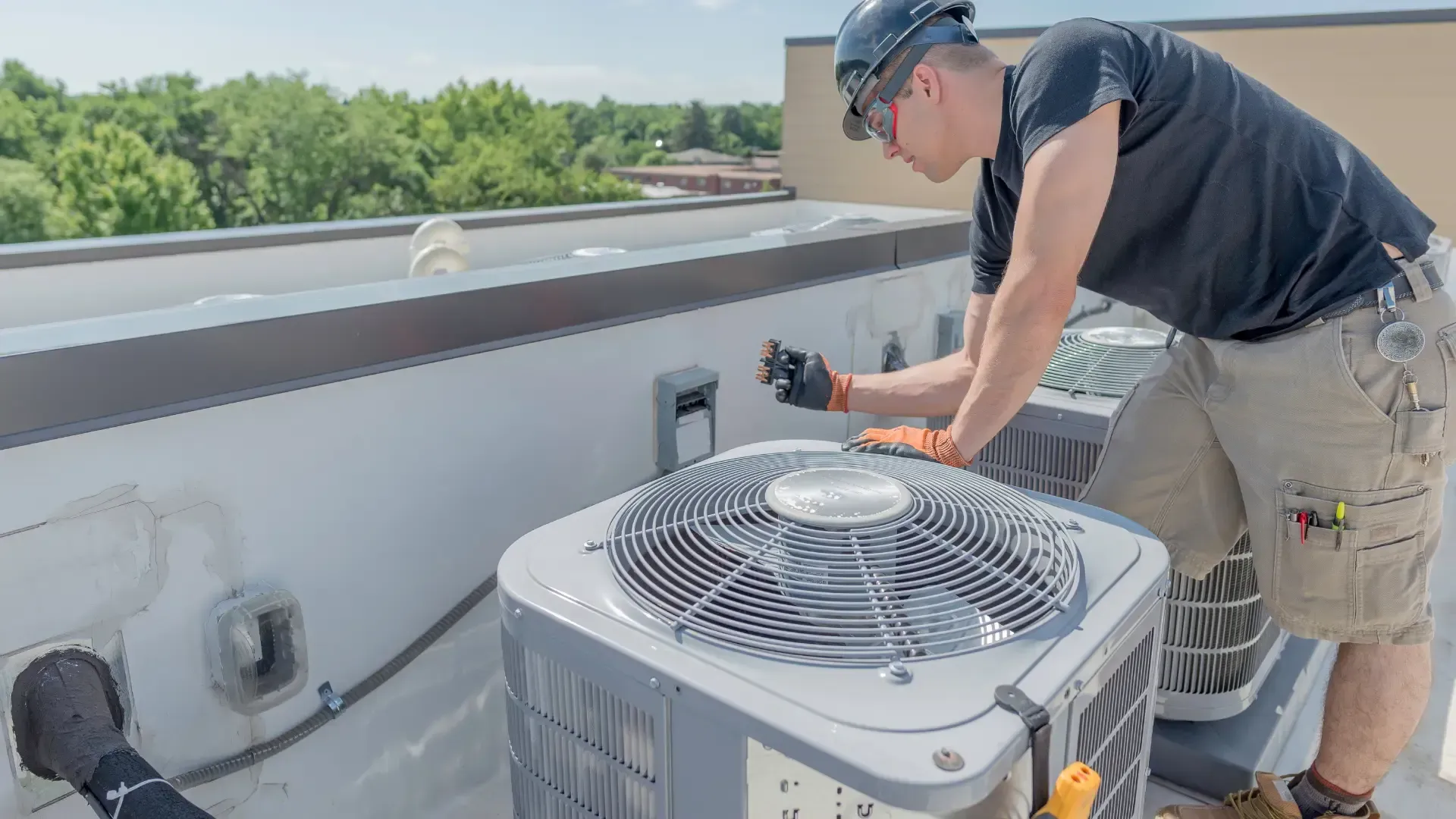
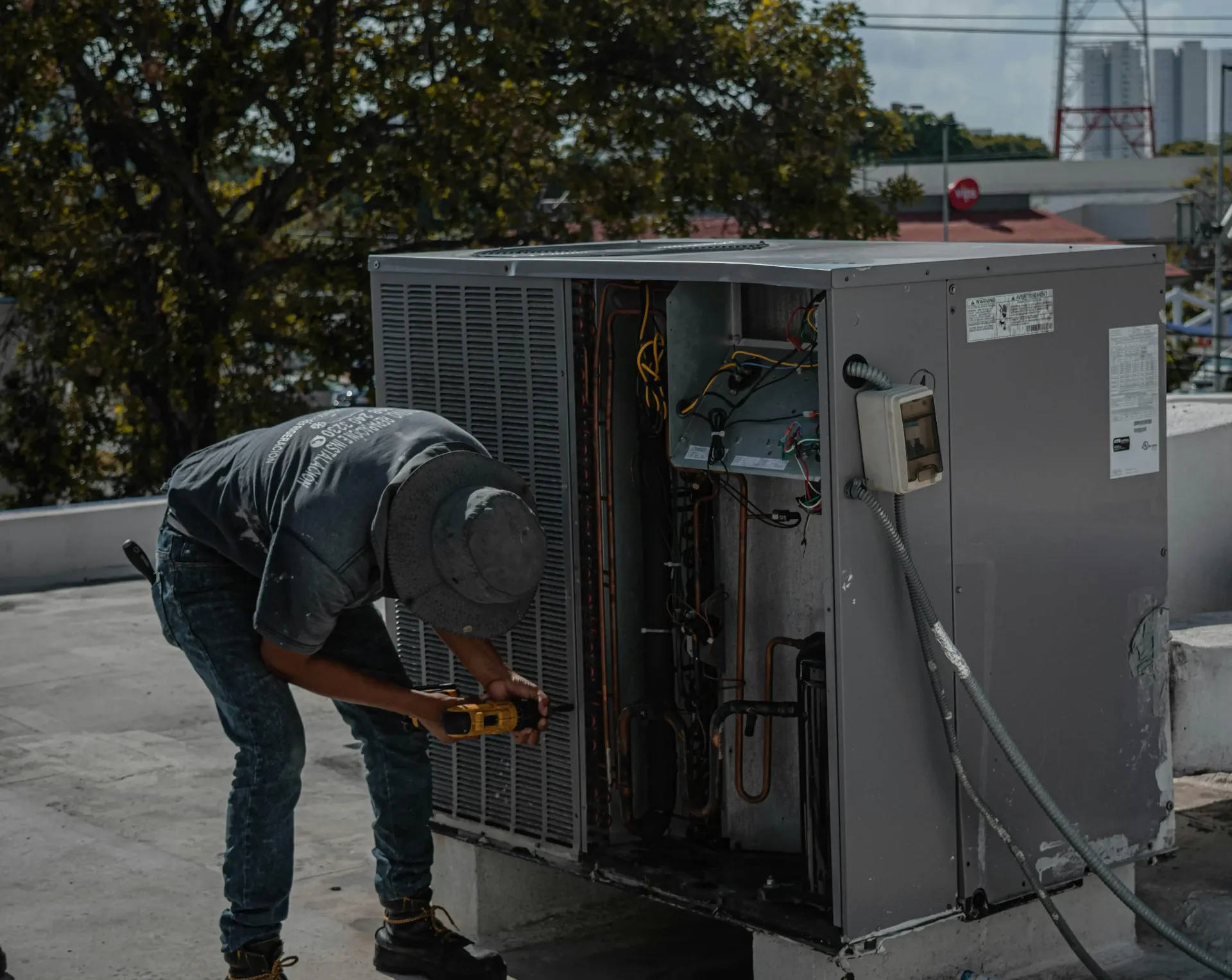
A failing air conditioner can drive customers away and drastically reduce employee productivity. Commercial properties typically benefit from robust packaged systems or rooftop units that free up valuable ground space.
Establishing long-term service contracts alongside the initial setup guarantees that these heavy-duty systems receive the preventive maintenance necessary to avoid costly operational interruptions.
Scalable Designs for Builders and Developers
Contractors and developers working on new residential sub-divisions or commercial projects require a different level of expertise. New construction demands seamless coordination with other trades. Builders seek partnerships with HVAC specialists capable of executing scalable solutions across multiple units. This includes precise ductwork fabrication, strict adherence to Florida building codes, and the integration of highly efficient ductless mini-split systems for isolated zones or specialized architectural layouts.
To clarify the options available for various properties, the following comparison highlights the primary categories of cooling technology frequently utilized across the Florida Gulf Coast.
| System Classification | Ideal Application and Property Type | Average SEER2 Efficiency Rating | Expected Lifespan in Coastal Florida |
|---|---|---|---|
| Traditional Central Air | Single-family homes in Lakewood Ranch | 14.3 to 22.0+ | 10 to 15 Years |
| Ductless Mini-Split Systems | Room additions, historic homes, IT closets | 18.0 to 30.0+ | 15 to 20 Years |
| Packaged Rooftop Units | Commercial buildings, space-restricted properties | 13.4 to 18.0 | 10 to 12 Years |
| Variable Refrigerant Flow | Multi-story offices, large residential developments | Up to 25.0+ | 15 to 20 Years |
Core Steps in the Replacement and Installation Process
Executing a flawless installation requires strict adherence to industry best practices and local safety regulations. The process begins long before the physical equipment arrives at the property.
The critical first step is performing a Manual J load calculation. This mathematical assessment evaluates the specific cooling requirements of the building. Technicians measure the square footage, inspect the quality of the insulation, assess the orientation of the windows, and factor in the local Bradenton climate data. Skipping this step often results in installing an oversized or undersized unit. An oversized unit will cool the air too quickly without removing the humidity, leaving the building feeling damp and uncomfortable. An undersized unit will run constantly, driving up energy costs and burning out the compressor prematurely.
Once the correct size is determined, the physical work begins. The team safely disconnects and responsibly disposes of the old equipment and hazardous refrigerants. Next, the existing ductwork undergoes a rigorous inspection. Leaky or poorly designed ducts will severely throttle the performance of a brand-new system. Technicians will seal leaks, replace damaged sections, and ensure that the return air pathways are sufficient to allow the new air handler to breathe properly.
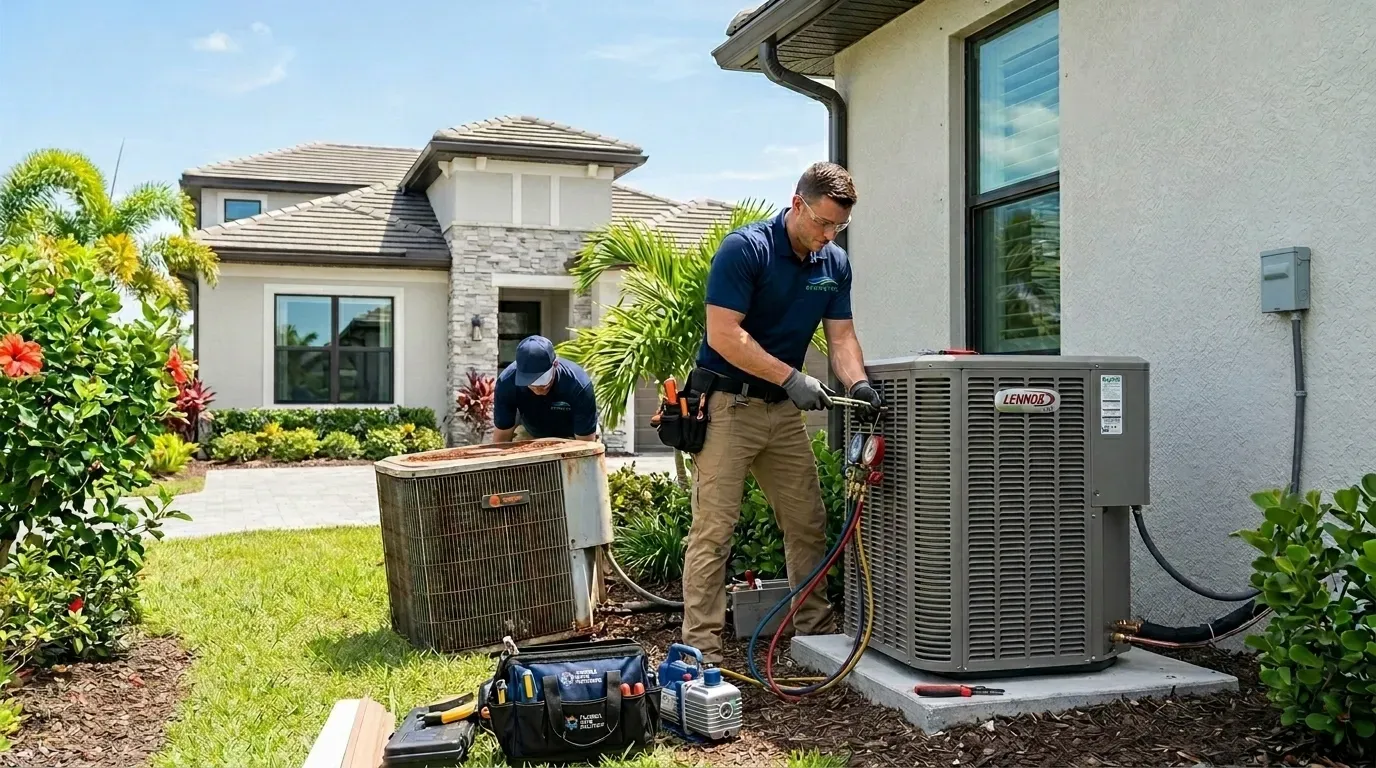
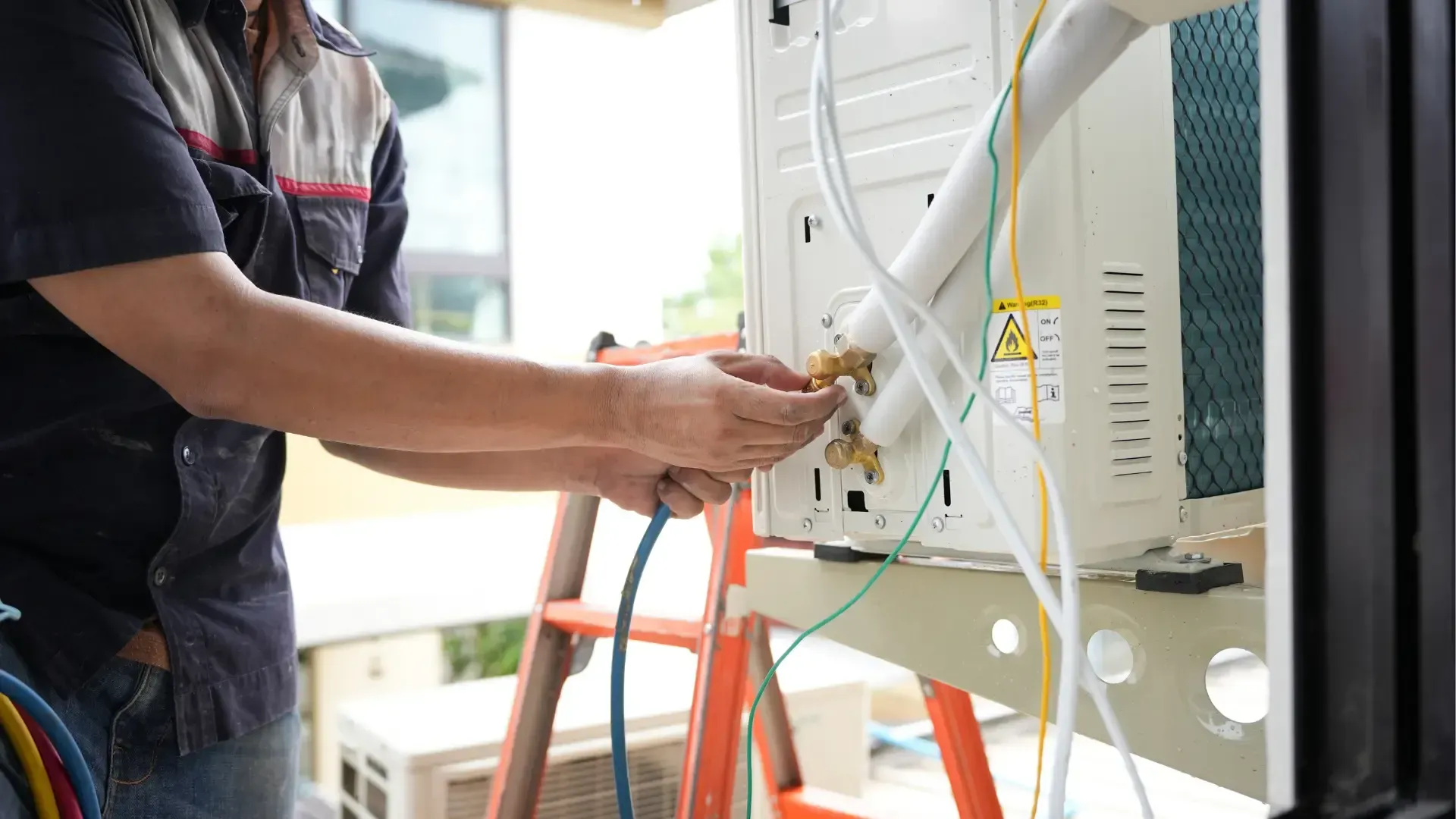
The final phases involve setting the new condenser unit on a hurricane-rated concrete pad, securing the indoor air handler, and brazing the copper refrigerant lines with precision. A deep vacuum is pulled on the system to remove all moisture and contaminants before the virgin refrigerant is released. Technicians then calibrate the thermostat and measure the temperature drop across the evaporator coil to verify flawless operation.
Defeating Florida Humidity with Advanced Cooling Technology
Temperature control is only one half of the comfort equation in Florida. Managing indoor humidity is equally important for maintaining a healthy and comfortable environment. High humidity levels foster mold growth, damage interior woodwork, and make the air feel significantly warmer than the actual temperature reading.
Modern cooling technology addresses this challenge through variable-speed operation. Older, single-stage air conditioners operate at full capacity until the thermostat registers the desired temperature, at which point they shut off completely. This rapid cycling does not allow the system enough time to extract moisture from the air.
Variable-speed compressors and variable-speed blower motors operate differently. They run continuously at lower speeds, making micro-adjustments to match the exact cooling demand of the house. This continuous, low-speed operation acts as an aggressive dehumidifier. By moving air across the cold evaporator coil for extended periods, the system wrings maximum moisture out of the indoor air. The result is a crisp, perfectly regulated interior climate that protects the structural integrity of the property while drastically reducing monthly power consumption.
Protecting Your Equipment Through Warranties and Maintenance
Purchasing a modern cooling system is a significant financial commitment. Protecting that investment requires a proactive approach to upkeep and a clear understanding of your warranty coverage.
Most reputable manufacturers offer comprehensive warranties that cover the cost of replacement parts for up to ten years, provided the system was installed by a licensed professional and registered promptly. However, these manufacturer warranties strictly require proof of annual preventive maintenance. Neglecting routine service can void your coverage, leaving you entirely responsible for the cost of a replacement compressor or evaporator coil.
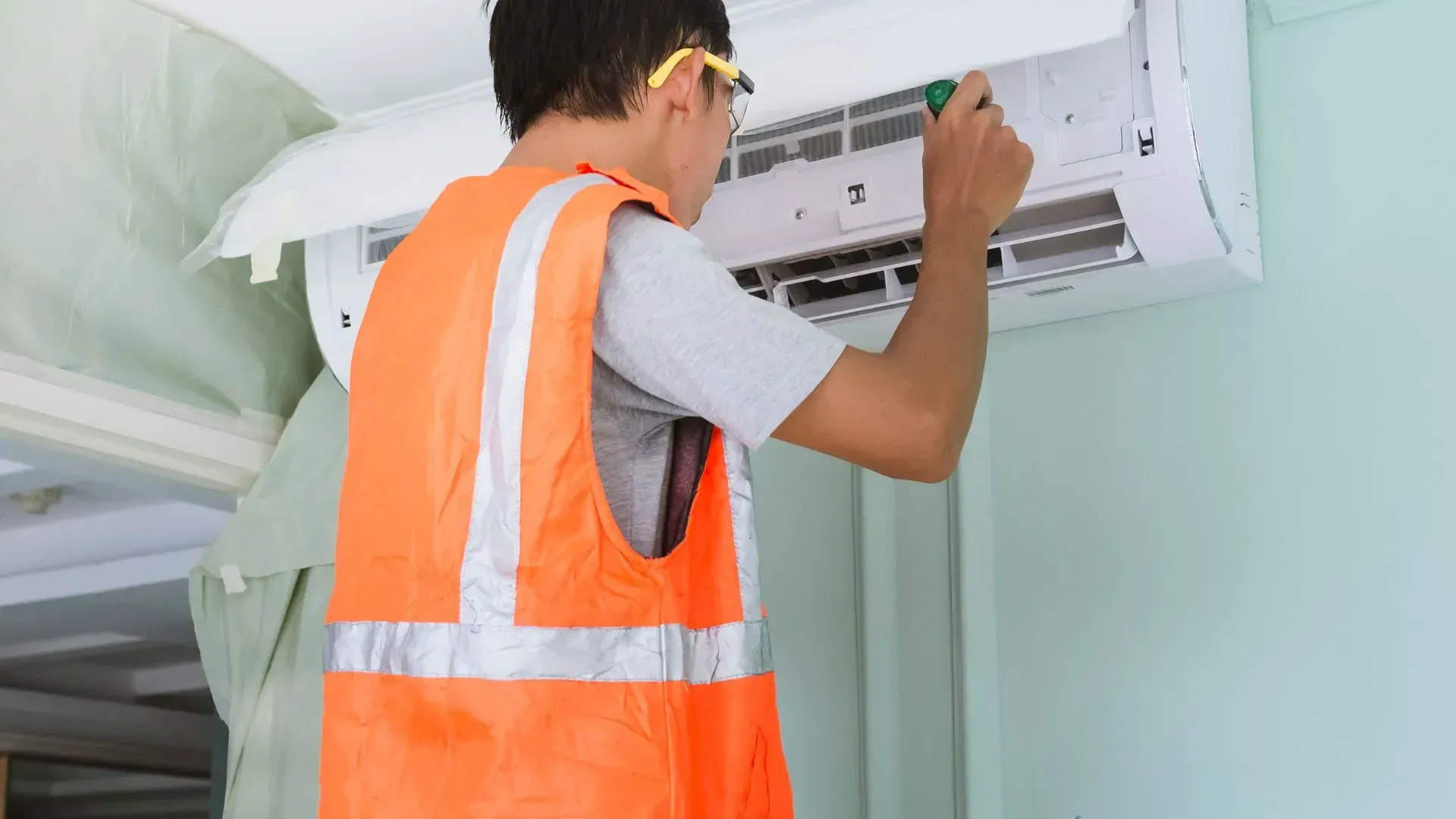
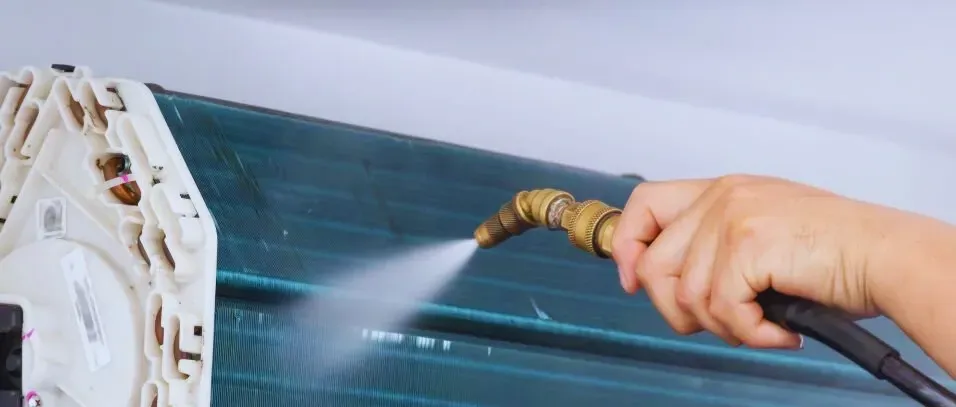
Establishing a recurring maintenance plan is the most effective way to protect your equipment. Routine inspections allow technicians to clear blocked condensate drain lines, clean dirty condenser coils, and monitor electrical components before they fail. For businesses, this translates to uninterrupted commerce. For homeowners, it means enjoying total peace of mind during the peak of hurricane season.
If you are currently evaluating your property requirements or if you need to schedule an assessment for a new construction project, we encourage you to contact our team today to discuss your specific cooling needs and explore the available financing options.
Frequently Asked Questions
What is a Manual J load calculation and why is it necessary?
A Manual J load calculation is a detailed scientific assessment used to determine the exact heating and cooling capacity a specific building requires. It factors in square footage, window placement, insulation quality, and local climate data. It is necessary because it prevents the installation of incorrectly sized equipment, ensuring optimal energy efficiency and proper indoor humidity control.
How long does a standard residential cooling system replacement take?
A standard replacement of an existing central air conditioning system typically takes between one and two full business days. The exact timeframe depends on the complexity of the job, the accessibility of the indoor air handler, and whether the existing ductwork requires extensive repairs or modifications before the new equipment can be activated.
Are there financing options available for replacing my air conditioner?
Yes, extensive financing options for new HVAC systems are generally available for qualifying customers. These programs often feature flexible monthly payments, competitive interest rates, and promotional terms that allow property owners to install high-efficiency climate control technology immediately without exhausting their personal savings or business capital.
How often should I schedule maintenance for my air conditioner?
At least once a year, ideally before the cooling season begins. Regular maintenance helps extend system life, improve efficiency, and prevent costly breakdowns.